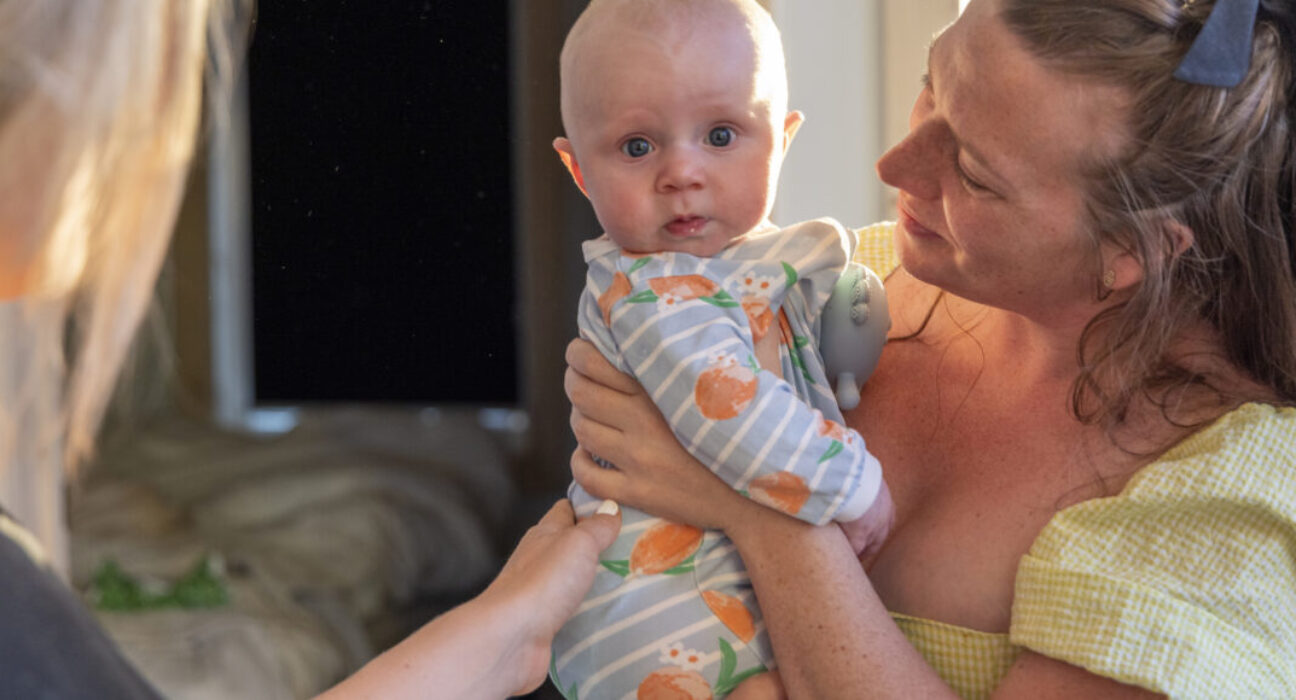
How do I ask visitors not to kiss my baby, or to wash their hands?
We know that having conversations around infection prevention can be difficult, whether with close loved ones or strangers. Here are our top tips, and some quotes and phrases to help.
-
What I did
I sent people links and messages to The Lullaby Trust’s social media posts.
Parent -
What I did
Once, a stranger tried to kiss her. I stepped back and said, as though my baby was speaking, ‘Oh no thank you, I get poorly easily’.
Parent -
What I did
I’d say, ‘The doctor said no kisses yet’.
Parent
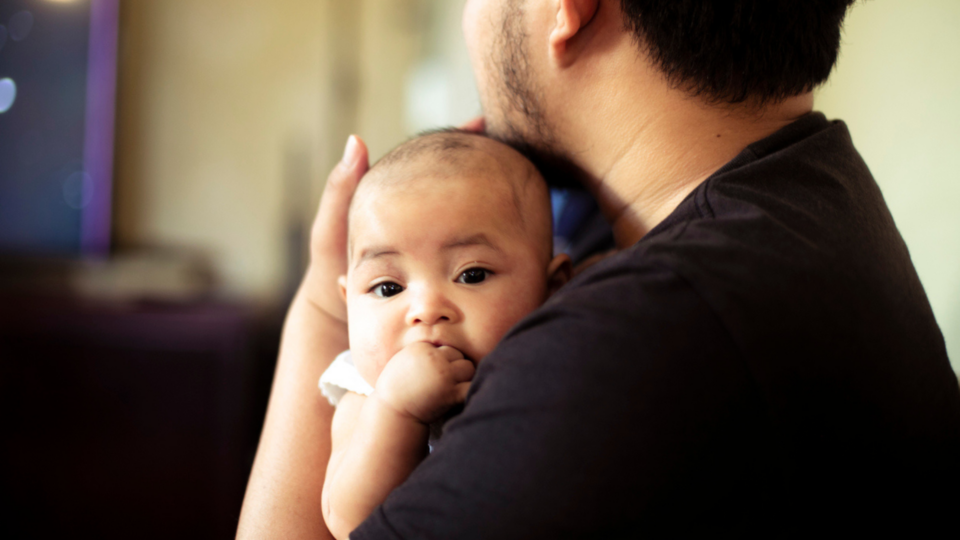
How do I tell people I don’t want visitors?
In the early days and week after birth, you may choose to limit or delay visitors. Many families choose this, whether it’s to help keep their baby safe, or to prioritise their rest, recovery and bonding with baby.
This doesn’t make saying ‘not yet’ to loved ones any easier. This section offers ways to let others know you’re not ready for visitors just yet. Remember, it’s okay to put you and your baby’s needs first.
We’ve decided to have a quiet few weeks as a new family and aren’t having any visitors just yet. We can’t wait to introduce you when the time is right.
I know how much you want to meet and hold baby, and I'm so eager for you to meet them too. But I've been listening to our professionals and reading The Lullaby Trust's information. I've decided to hold off on visitors for now, but can't wait for you to share cuddles later on.
For now, we’re keeping our little bubble small to protect baby and give ourselves time to adjust. We’ll let you know when we’re ready for visits.
You might choose to put a wider message out there to people you know. This could be in a group chat, or on social media.
Just to let everyone know - I’m taking a few weeks to settle in with no visitors. Thank you for understanding, I feel so grateful to have such support around me.
We’re staying in a little cocoon for now while baby adjusts to the world. This feels safest for our family. We’ll reach out when we’re ready for visitors.
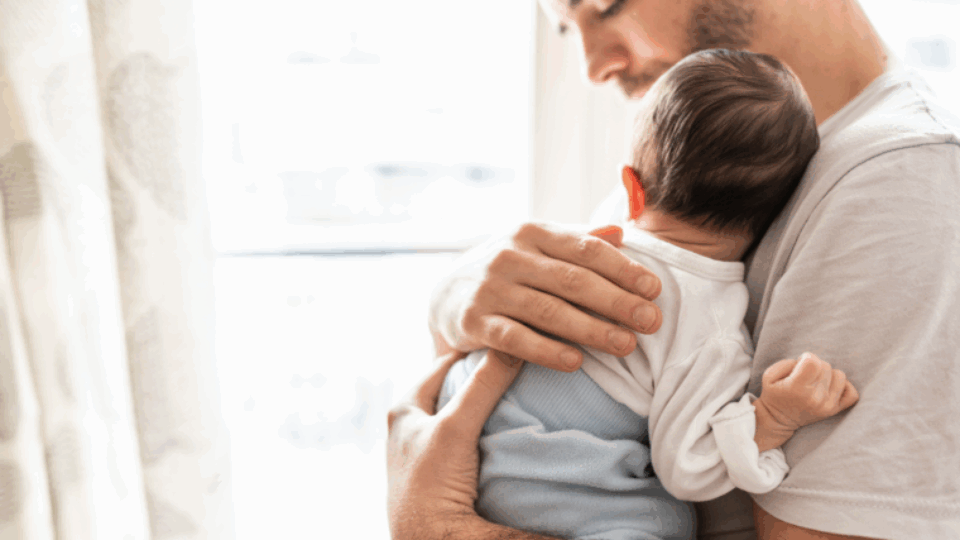
Things to say when you’re worried someone is unwell
When you know, or have a suspicion that someone might be unwell, knowing what to say can be difficult. Here are some helpful phrases.
Even mild bugs for us can be risky for newborns. I’d really appreciate it if you came by another time, when you’re feeling 100%.
You’re top of our cuddle list – but only when you’re germ-free. Let’s reschedule for when you’re back to 100%, and can enjoy meeting baby properly.
I know to us it’s just a little cold, but with baby’s immune system still developing, we’ve been advised by our midwife to be really careful. Let’s reschedule your visit for when you’re fully well.
My health visitor recommended keeping newborn visits limited until people are completely symptom-free, so I'm sticking to that advice for now.
We’d love to see you soon, but we’re being extra careful to prevent infection at the moment. Would you mind waiting until you’re fully better before visiting baby?
If you are aware that a visitor is prone to cold sores and you can see a cold sore, consider saying something more specific.
I've been told that even visiting babies with a cold sore can be risky for newborns. Would you mind keeping a bit of distance just while it heals?
Just to let everyone know, we’re avoiding any contact with anyone who has been unwell recently, has a cold sore or even a possible cold sore – only while the baby is still tiny. Hope that’s okay
-
What we did
We sent The Lullaby Trust’s T.H.A.N.K.S infographic via text. It was clear, evidence based information for people to read before visiting.
Parent -
What we did
We told people our wishes via text, as part of the invite to come and meet the baby. It saved having any awkward conversations in person.
Parent -

What we did
We made sure we told people before the baby was born, so we weren’t trying to tell them when we were tired and emotional.
Parent
I’m still struggling to say what I want to say
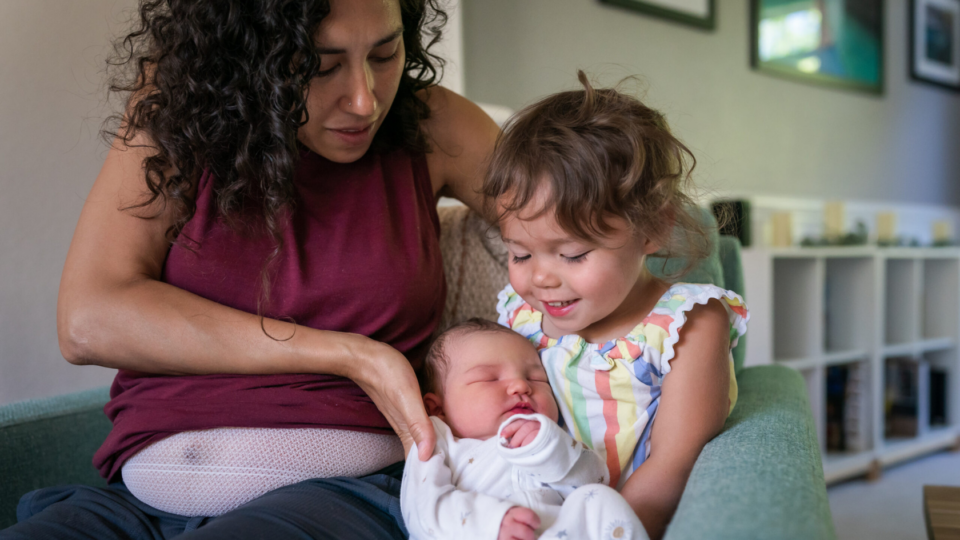
Putting new boundaries in place can be very difficult, especially if you are worried about a particular person’s reaction. Even when you know it’s the right thing to do, it can still feel uncomfortable. But protecting your baby’s health is never something to feel guilty for. If you are still struggling, remember:
- Quote the advice: Reference professionals like your midwife, health visitor or The Lullaby Trust. This shifts the focus from you.
- Practice your message: Rehearsing a simple phrase out loud, or drafting a text message can help you feel more prepared and confident.
- Share the conversation: Setting boundaries doesn’t have to fall to one person. Talk with your partner, co-parent or someone you trust about how you can communicate your wishes together. You might even want to ask a family member or friend to help you communicate your boundaries to others.
- Advocate for your baby: Remember, you’re protecting someone who can’t speak for themselves.
- It’s temporary: A few moments of potential awkwardness can bring you long-term peace of mind.
Cultural expectations
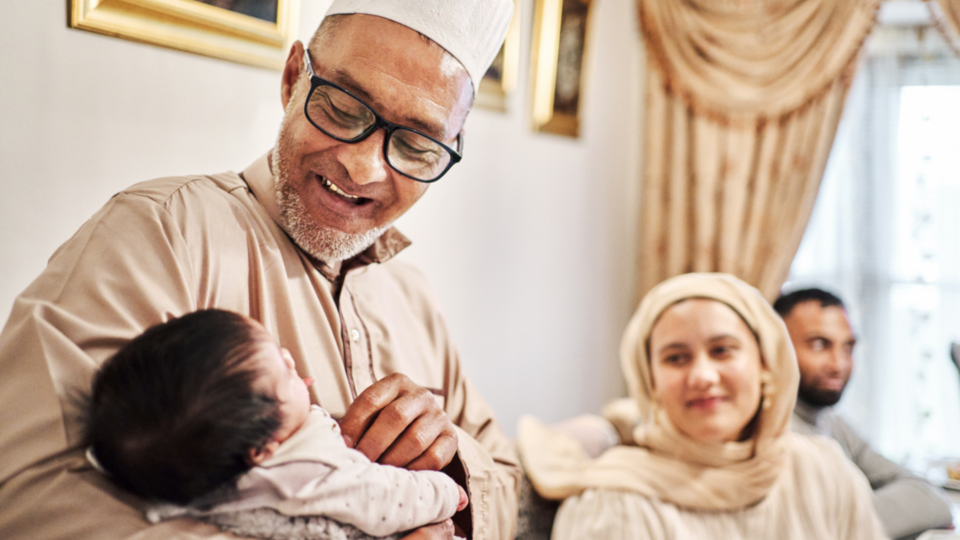
In my culture, it’s unusual not to touch, kiss or meet babies whilst they are newborns. What do I do?
What to do if family and friends push back on your wishes?
1. Remain calm and be repetitive
You don’t have to justify your decision over and over. Repeating your boundaries respectfully and clearly is enough. This shows that you mean what you say, and the outcome won’t change.
For example:
I know it’s not what we’d usually do, but we’re keeping things this way for now until it’s safer.
2. Keep your baby at the centre
If things get tense or feel difficult, re-centre the focus to the baby.
You could say:
I'm not trying to hurt anyone’s feelings by asking them not to kiss baby. This is just about protecting baby’s health while they’re still so vulnerable.
3. Empathise
Whilst setting your expectations, you could also empathise to show that you understand their hurt, frustration or pain.
I know this is disappointing and painful, and I wish things were different too. I want you to meet baby just as much as you want to meet them. As soon as it’s safer, we’ll reach out.
4. Share real stories
One thing you might find helpful is to point them towards the real stories of families who have been impacted by infections in their newborns. This could help to highlight the lasting impact a quick visit with a ‘just a sniffle’ or a ‘cheeky kiss’ can do. Paige, Meg and Sarah and Craig are all backing our ‘Your baby, your boundaries’ campaign for Infection Prevention Week 2026.
I've read some real life stories about how much of an impact viruses can have on babies, and their parents have talked about how important it is to protect babies from viruses during the first few months, it can be so serious, perhaps I could share these with you?
-
What I wish I’d said
My mother-in-law kept walking away with my son and would kiss him secretly. She’d say ‘oops’ as if it was an accident and she forgot. I wish when passing him to her, I had reminded her openly about not kissing him so she didn’t have the excuse that she just forgot.
Parent -
What I wish I’d said
I found it hardest with people who were well meaning. They may have forgotten our original text over time, and I felt so awkward saying it in person for worry of making them feel bad. Saying it back seems so silly, because we were firm on the risks and our stance, but I just second-guessed every interaction. Then, it felt like I was prioritising their feelings over my baby’s safety.
Parent
-
Remember
Protecting your baby from infection, particularly in the first few weeks of life, is so important. There are ways to set boundaries for your family and your baby kindly and confidently, even if it feels a little awkward at first. Remember to text people in advance if it feels more comfortable, and quote The Lullaby Trust or your baby's health professional if you feel it will help.
-
What happened to us
No one in our family or friends knew a cold sore could kill a baby despite most regularly having cold sores themselves. If I’d have known for either of my babies, I also wouldn’t have had anyone with a cold sore round for the first few weeks just in case. I think it’s so important that all parents know this. Newborns have immature immune systems so setting your boundaries is a must.
Meg -
What happened to us
I can say to visitors, ‘look what can happen if you do something as simple as kiss a baby.’ We don’t know where Oakley got his cold from that put him in hospital, but it came from somewhere, and it could well have been from a kiss or a mild illness.
Paige
Every baby safe. Every family supported.
If you found this information helpful, consider donating today to help us reach and help the next parent or carer, just like you. Your kindness will: