
Grieving and common feelings
When someone we love dies, we experience overwhelming feelings of loss and sorrow, which we call grief.

Grief is not only an emotional experience, it can also affect your whole body.
The responses described below are common after trauma and loss. There is no “right” way to feel, and you may experience some of these symptoms, many of them, or none at all.
Click on the ‘i’ icons on the below image, to learn more about the physical effects of grief for each part of the body.

The death of a baby or child is the most devastating experience a parent can face. It defies the natural order of life. It can be extremely difficult to make sense of. Physical symptoms after bereavement can be intense, especially in the early days and weeks. While many of these responses are a natural part of acute grief and trauma, it’s important to seek medical advice if you are worried about your health or if symptoms feel severe, persistent or unusual for you.
You deserve care and support for both your physical and emotional wellbeing. If you are unsure, your GP, midwife, health visitor, or another healthcare professional can help. You do not have to manage this alone.
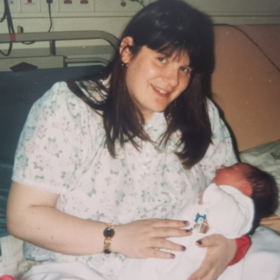
Most people take a whole journey through the grief process. It’s not a thing you get over quickly. You might move on practically, and continue your day-to-day life, but the grief is always with you. My family and friends tried their best to help but the physical and mental pain is just all-consuming.

You find yourself desperately looking for a reason when something like this happens, and thinking about what we could have done differently. You drive yourself round the bend. On top of this, with there suddenly being no baby there to breastfeed, it took a physical toll too.
When someone we love dies, we experience overwhelming feelings of loss and sorrow, which we call grief.

Having a sense of a continued connection with a baby or young child who died is an important part of navigating grief. This page offers ideas for ways to remember and honour a little one.


We understand the impact a sudden infant death can have on a family and recommend the following media to try and help support families during this difficult time.