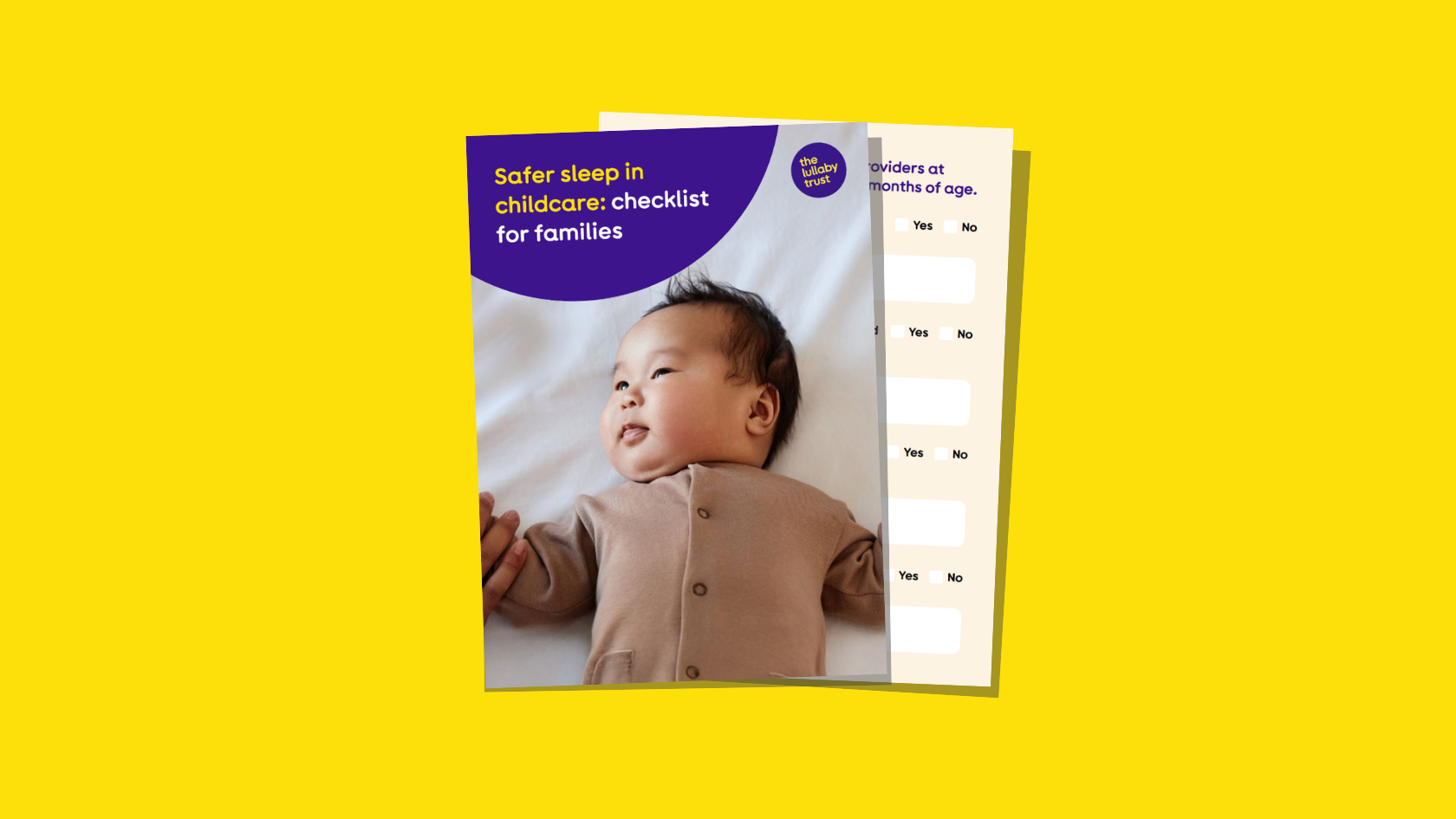
We know that leaving your baby in the care of someone else may be tough. This checklist helps you have conversations with childcare providers and ask the right questions.
Knowing safer sleep advice is vital for the safety of your baby. Thanks to this advice, rates of sudden infant death syndrome (SIDS) have decreased significantly. But what happens when you entrust the care and safety of your baby with someone else, such as a nursery, childminder or nanny?
This checklist will help you to know how your baby will be slept and empower you to make informed decisions about their care. Creating a safer sleep environment both at home or whilst your baby is in childcare is one of the most important steps you can take for your baby’s safety.
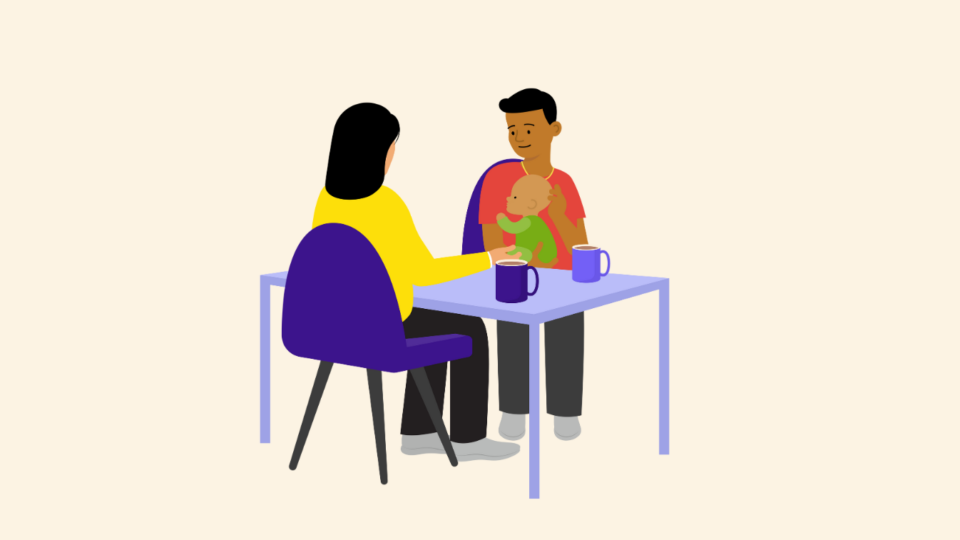
It’s always good practice to ask to see where the babies are slept within the early years setting you are visiting. Sometimes having conversations with professionals can feel difficult. We have come up with some practical tips and phrases to help you feel confident in starting those conversations.
“We (will/do) follow safer sleep guidance at home, and we want to be sure that our safer sleep routine is followed here too. The Lullaby Trust have produced a checklist I would like to go through to help me feel comfortable.”
“The Lullaby Trust have produced a checklist to help me choose a childcare provider that follows safer sleep guidance. Can we sit down and go through this please?”
“I don’t know how babies are slept at your nursery/ childminders setting, and The Lullaby Trust suggests using this checklist to help me understand what happens.”
Questions to ask the childcare providers at your visit
(For all babies under 12 months of age)
If you’d like a printable resource to bring with you and make notes on, you can download one for free.
Our safer sleep advice explains the steps you can take to keep a baby safer, reducing the risk of sudden infant death syndrome (SIDS). Follow this advice for every sleep, day and night, until the baby is 12 months old (or 12 months after their due date for premature or low birth weight babies).
Our safer sleep advice has saved the lives of over 31,951 babies since 1991.
If they haven’t got one already, the childcare provider should consider writing a policy and procedure document to support staff in explaining safer sleep guidance to parents/carers.
Our essential training is specifically designed for early years professionals who are directly responsible for placing babies to sleep.
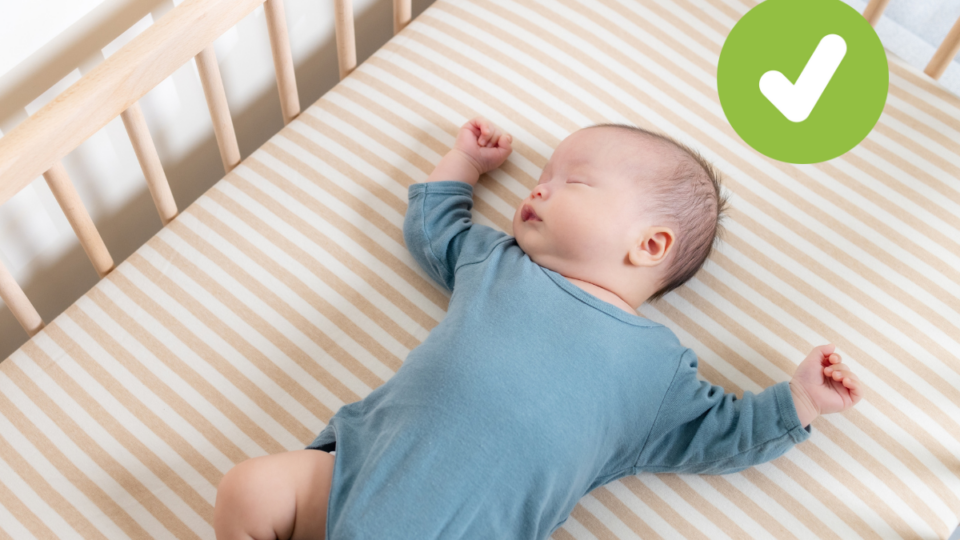
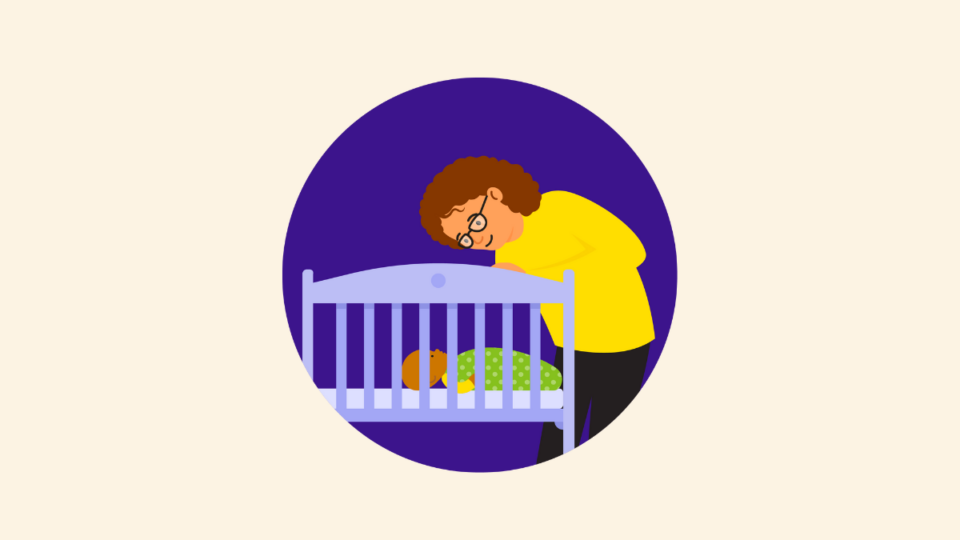
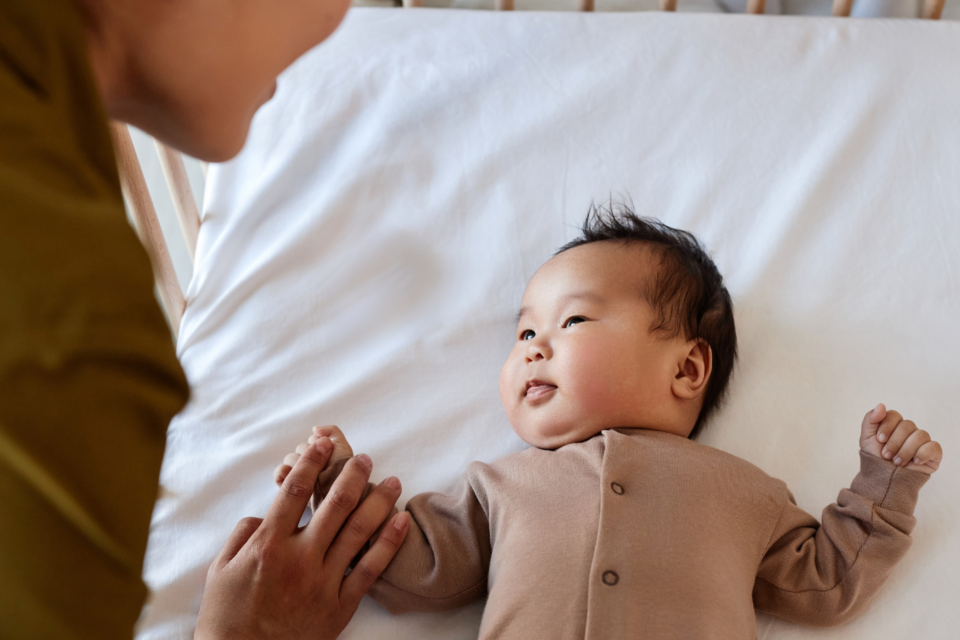
The safest place for a baby to sleep is in a Moses basket, cot, travel cot or carrycot on a firm, flat mattress with a waterproof cover.
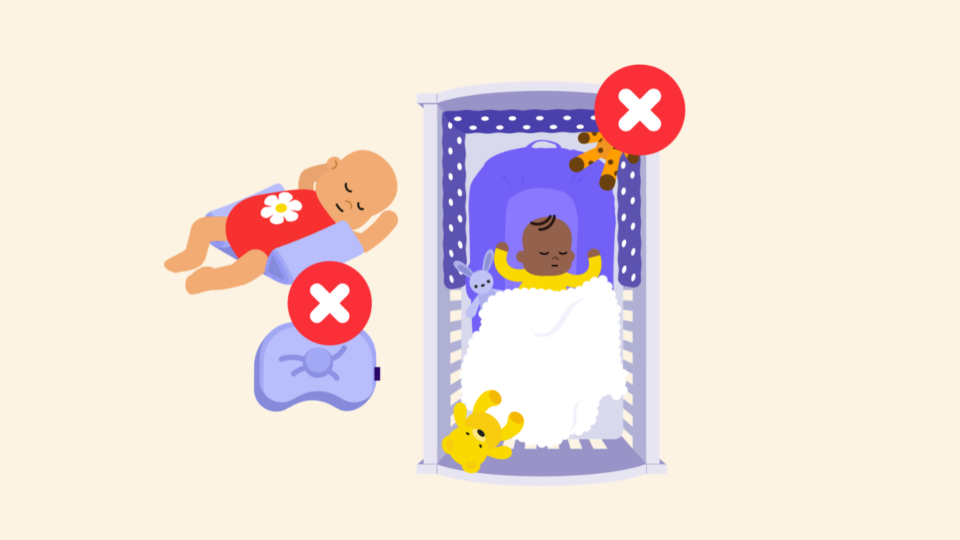
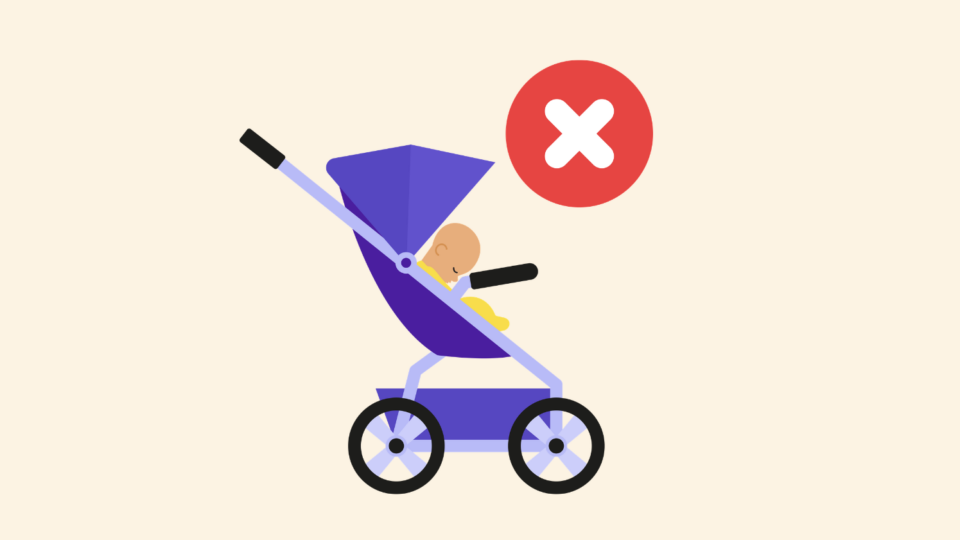
Avoid beanbags, sofas, bouncy chairs, pods/nests, cushions and car seats as these significantly increase the risk of SIDS. We advise against sleeping babies in a seated or inclined position such as in pushchairs/buggies. If a baby falls asleep in a product like any of the above, the childcare provider should move them onto a clear, firm, flat surface.
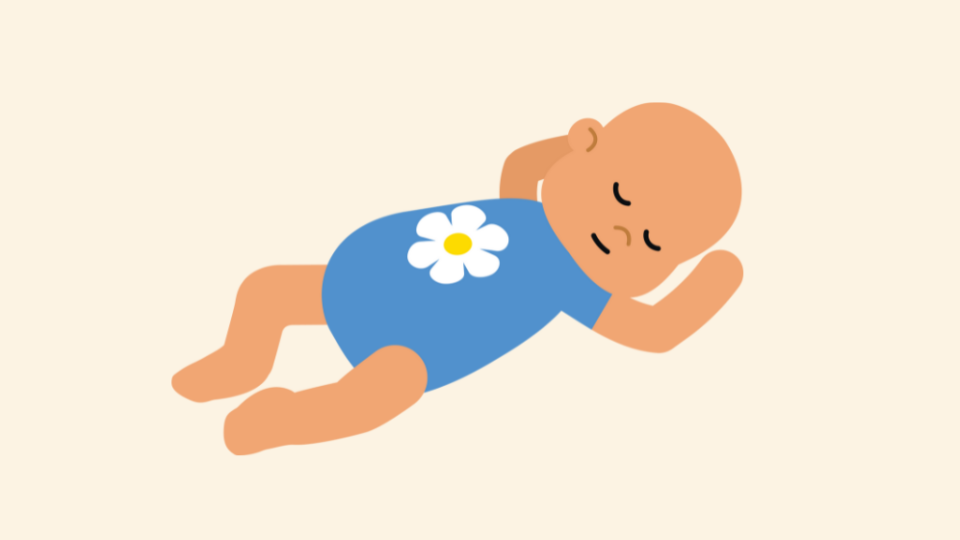
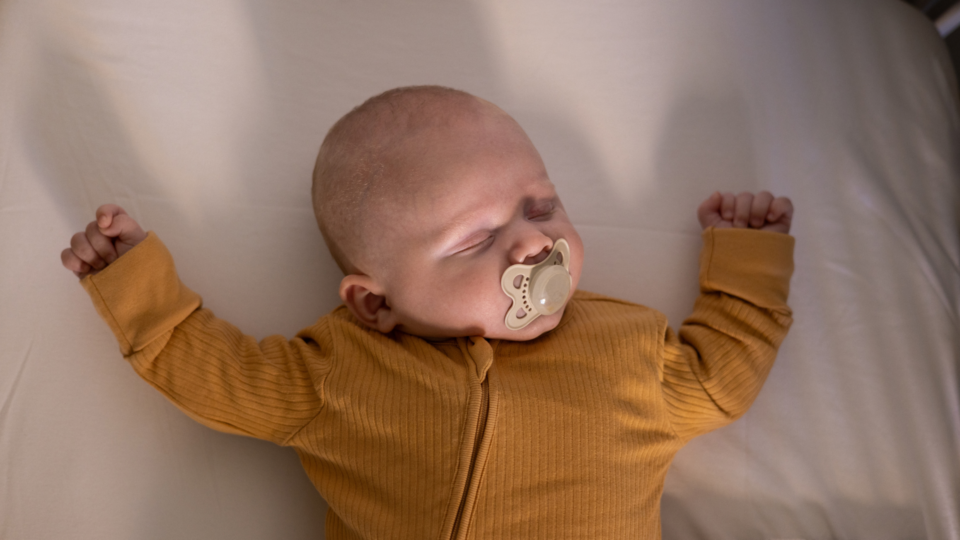
All babies should be placed on their back for every sleep, day and night. Sleeping a baby on their front or side greatly increases the risk of SIDS and can block or narrow a baby’s airway (their ability to breathe).
Babies should be placed to sleep in the feet-to-foot position (baby’s feet at the bottom of the cot).
The cot should only have the baby and their bedding – nothing additional such as toys, comforters, pillows.
There is evidence to suggest that babies are at higher risk of SIDS if they have their heads covered and some items added to a cot may increase the risk of head-covering.
Unnecessary items in a baby’s cot can also increase the risk of accidents. We therefore recommend babies are slept in cots that are kept as clear as possible.
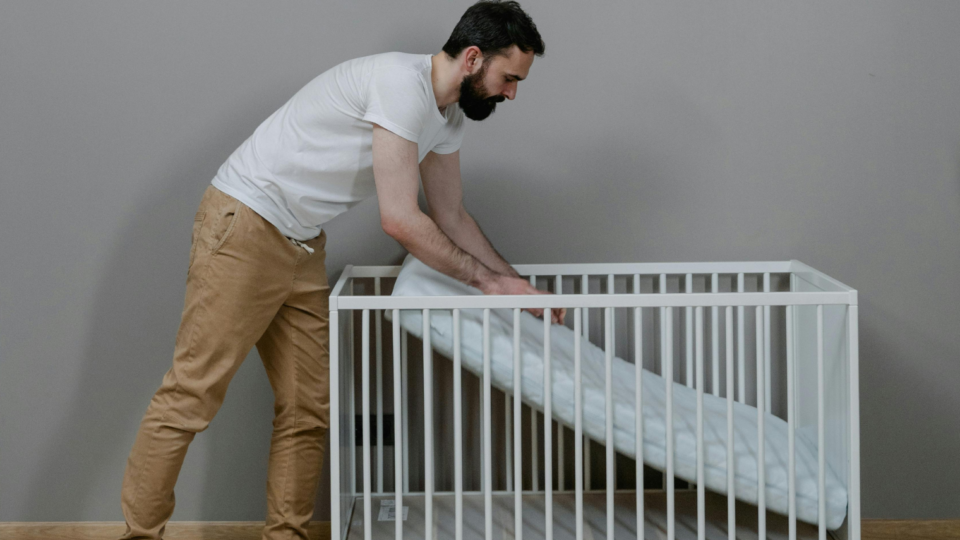
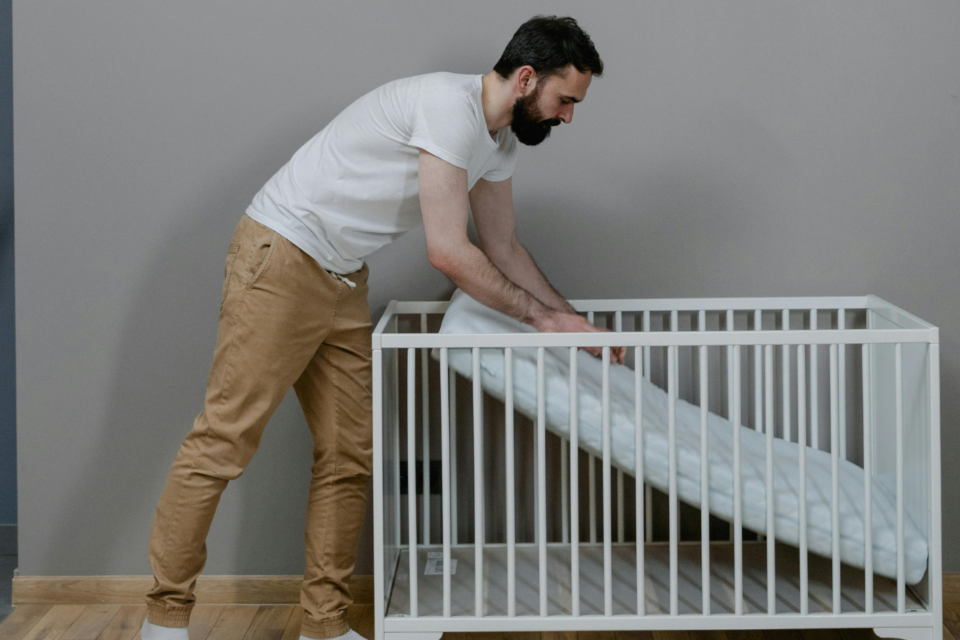
Early years settings you should check that the mattress is still firm, flat and is in good condition with no rips, tears or sagging. All mattresses should be inspected and replaced immediately if there are any signs of damage.
We recommend that the mattress is protected by a waterproof cover, wiped down with anti-bacterial spray and that a freshly washed sheet is used over the mattress.
Firmly tucked in sheets not above shoulder height or a well fitted baby sleeping bag are suitable for a baby to sleep in.
Ensure the equipment the setting is using for the babies’ sleep space has passed necessary safety checks and follow the manufacturer’s guidance that comes with any products they use.
Moses baskets and carry cots: BS EN 1466:2014 or BS EN 1466:2023
Bedside cribs: Since 2020, all bedside cribs should meet the new crib safety standard BS EN 1130:2019. Meaning cots should no longer have a side that fully drops down.
Mattresses: BS 7177:2008+A1:2011
Mattresses for cots, travel cots and cribs: BS EN 16890:2017+A1:2021
Research has shown that sleeping a baby on their own sleep surface in the same room as their parent or carer, day and night, reduces the risk of SIDS.
In a nursery environment, sleeping babies should be closely supervised.
A member of staff must be present in the same room as any baby being slept who is under six months of age. For babies older than six months, sleep supervision could be a member of staff being present in a dedicated sleep room whilst the babies sleep, or frequent monitoring by members of staff. Children should always be within sight and hearing of staff when sleeping.
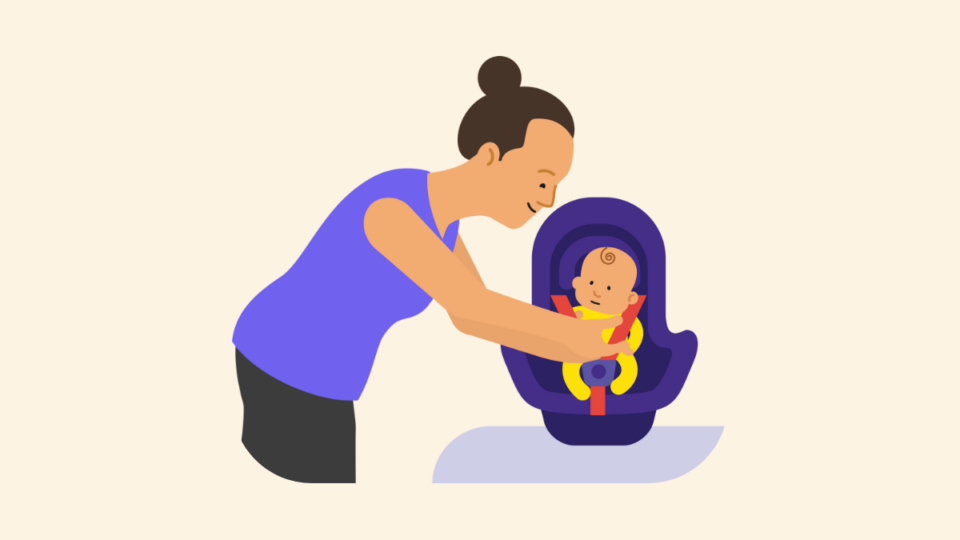
Car seats should only be used for transport and not as an alternative for cots or high chairs. It’s OK for babies to fall asleep in a car seat when travelling in a vehicle, but they should be taken out as soon as they get to the early years setting, and placed onto a firm, flat surface to sleep.
If you have any concerns about safer sleep, you can contact us for advice and support. You can call our free baby safety helpline on 0808 802 6869 or email [email protected].
This checklist helps you have conversations with childcare providers and ask the right questions. This will help you to know how your baby will be slept and empower you to make informed decisions.
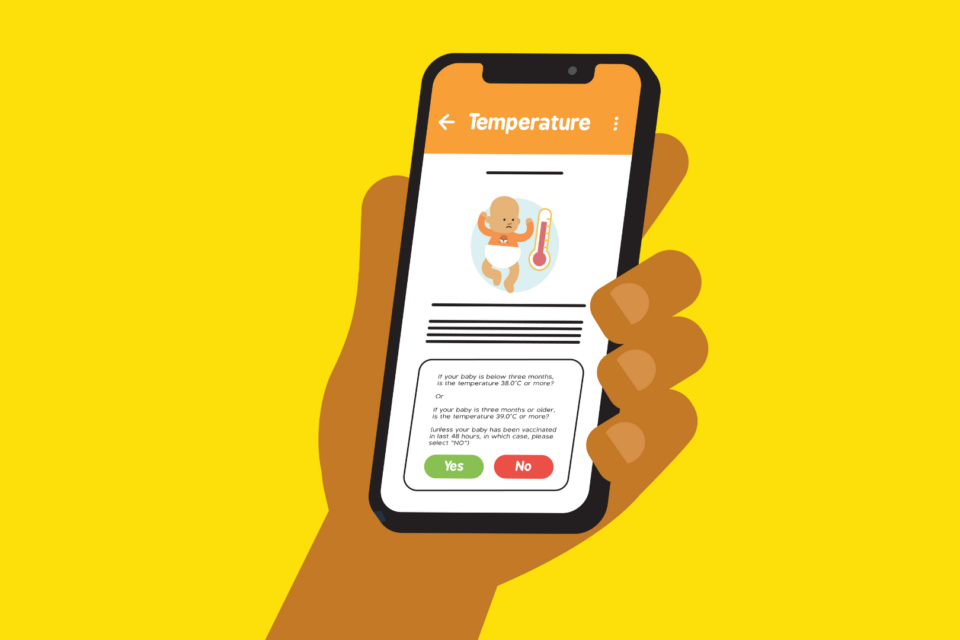
Our Baby Check app gives you peace of mind, in your pocket. If your baby is under six months of age, you can use the Baby Check app to find out if they need to see a health professional.
Whether you’re a grandparent, aunt, uncle, babysitter or family friend, our safer sleep advice explains the simple steps you can take to keep babies safe while they’re in your care.