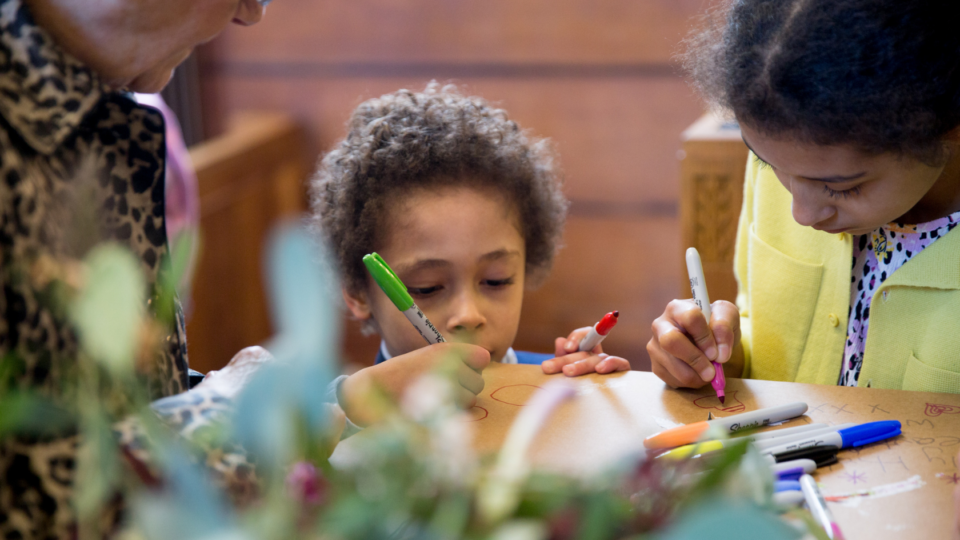


When a baby dies
We hope that this page can help explain what you might experience now and in the future, in terms of practicalities.

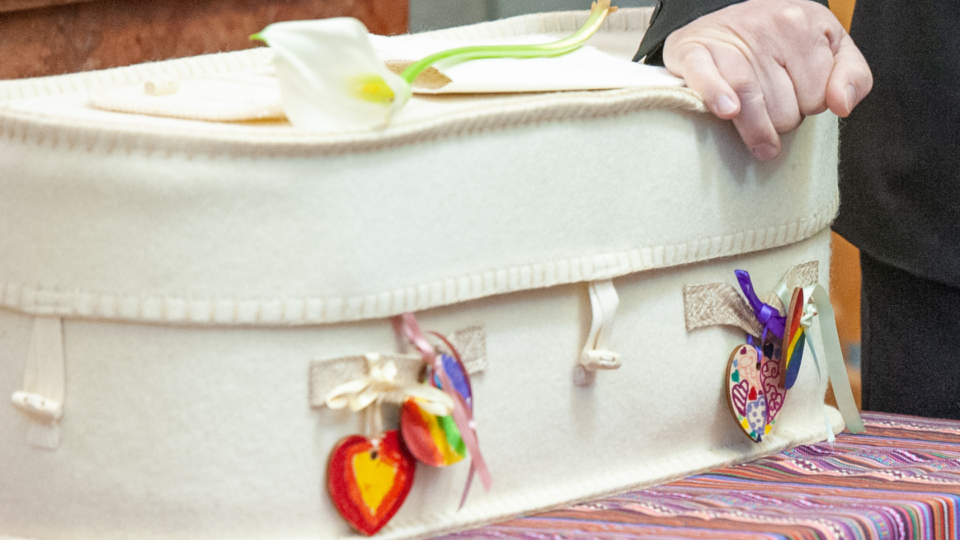
Planning a funeral for your baby is something no parent ever expects to do. There is no right or wrong way to arrange a funeral or remember your child. What feels right for one family may feel very different for another. You may already have clear ideas about what you want, or you may feel unsure and overwhelmed by the choices ahead. Take your time where possible and ask as many questions as you need to.
Some families find comfort in a traditional funeral or religious service, while others prefer something more personal or informal. You may want a quiet ceremony with close family only, or a larger gathering to celebrate your baby’s life. Whatever you choose, the most important thing is that it feels right for you and your family.
It can also help to have someone you trust with you when decisions are being made. At such a difficult time, it can be hard to take in information or remember what has been discussed.

When a baby or young child dies suddenly and unexpectedly, there is a formal investigation into how and why they died. This may mean there is a delay before funeral arrangements can take place.
In England, Wales and Northern Ireland, these enquiries are usually carried out by a coroner. In Scotland, they are usually carried out by the Procurator Fiscal.
The professionals involved should keep you informed about what is happening and let you know when your baby’s body can be released for the funeral. Although waiting can be difficult, these investigations are a routine part of trying to understand why a baby or child has died.
After the post-mortem examination, a death certificate will be issued. You can then choose how and where you wish to care for your child before their funeral.
If you have questions about the process, you can speak to the coroner’s office, the Procurator Fiscal’s office, your keyworker or a member of your healthcare or bereavement team.
Some parents choose to spend time with their baby before the funeral, while others do not feel able to. There is no right or wrong choice.
Many families choose to visit their child at the hospital or funeral home. Others choose to bring their child home for a few hours, or days, before the funeral. Some families find it comforting to say ‘goodbye’ in familiar and loving surroundings. Some families choose to invite a representative from their faith to say a prayer or give a blessing.
Depending on the circumstances, you may be able to see your baby, hold them, dress them, take photographs, or place special items with them. If spending time with your baby is important to you, it can help to ask what options are available.

Many burial and cremation costs for babies and children are covered across the UK by the government, although the arrangements vary depending on where you live. There may still be some additional costs depending on the choices you make. These can include:
It can help to ask for a written estimate before arrangements are made so that you understand what is included and whether there are any additional charges. Your funeral director or bereavement team can explain what support is available in your area and help you understand any costs involved.
You can find more information about financial support available in your area here:
Many families find comfort in creating lasting ways to remember their baby. This can be something private and personal, or something shared with family and friends.
Some families choose to:
If you would like to create an online space to remember your baby, The Lullaby Trust offers Lullaby Memorial pages. These can provide a place for family and friends to share photographs and memories, leave messages of support, light virtual candles, and make donations in your baby’s memory.
There is no right way to remember your baby. What matters is finding what feels meaningful for you and your family.

For many families, the time after the funeral can feel unexpectedly lonely. Once the practical arrangements are finished and people return to their own routines, the reality of living without your baby can begin to feel more intense. Grief can continue long after the funeral, and feelings may change over time.
There is no time limit on grief, and you do not have to face it alone. Whether you would like someone to listen, practical information, or the opportunity to connect with others who have experienced the death of a baby or young child, we are here for you.
You can access our confidential bereavement services in the way that feels most comfortable for you:
Thank you to the Good Funeral Guide for providing photos in their free online gallery, that have been used on this webpage.
We hope that this page can help explain what you might experience now and in the future, in terms of practicalities.

Our WhatsApp support offers a calm, confidential space for anyone over 18 to connect directly with a Bereavement Support Advisor.
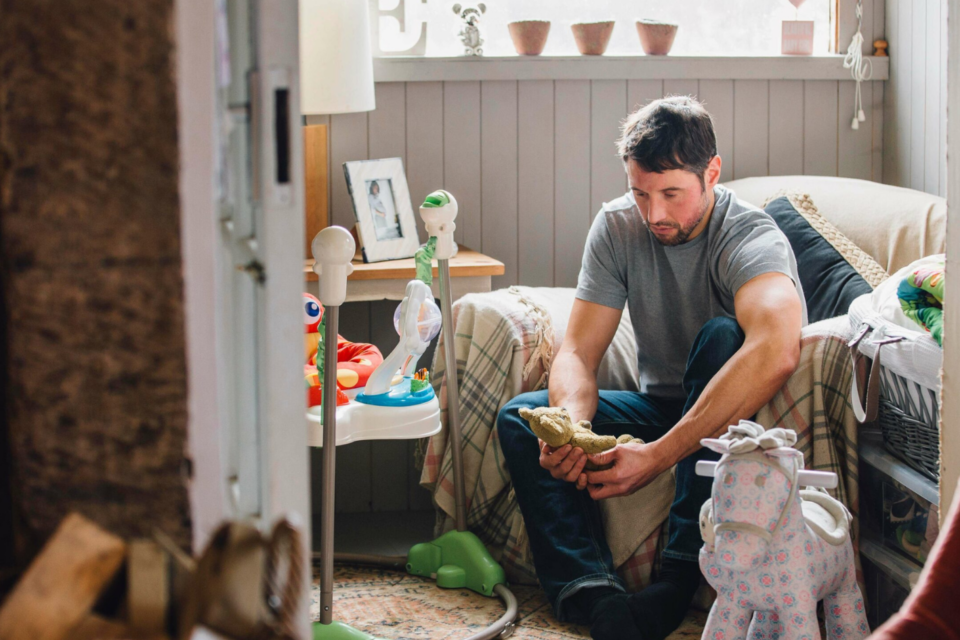
The sudden and unexpected death of a baby or young child can be deeply traumatic. There is no right or wrong way to respond, everyone’s experience is unique.
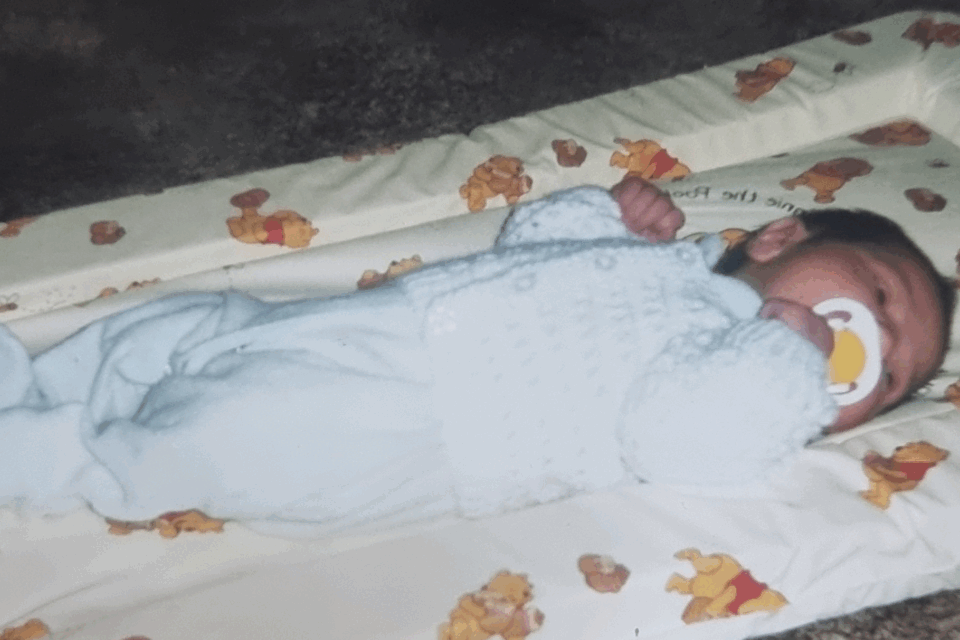
Christine's daughter, Nerice, was born in 1999 and died at four days old. Christine shared her experience of grief, and how The Lullaby Trust supported her before and after the birth of Owen.