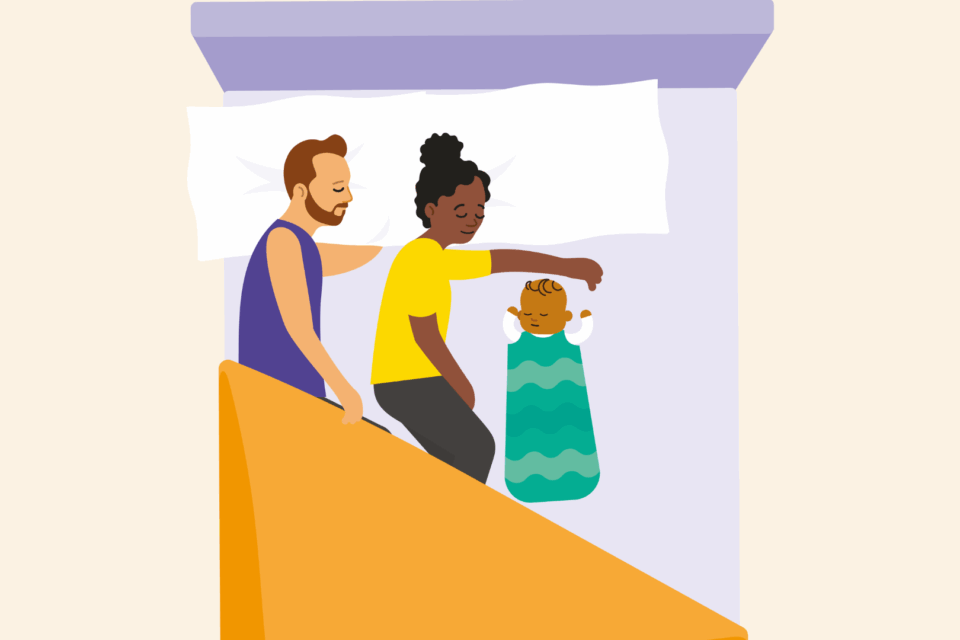
Co-sleeping
Some parents choose to share a bed with their babies, while others sometimes fall asleep with their baby without meaning to. Sleeping together with your baby is known as co-sleeping.
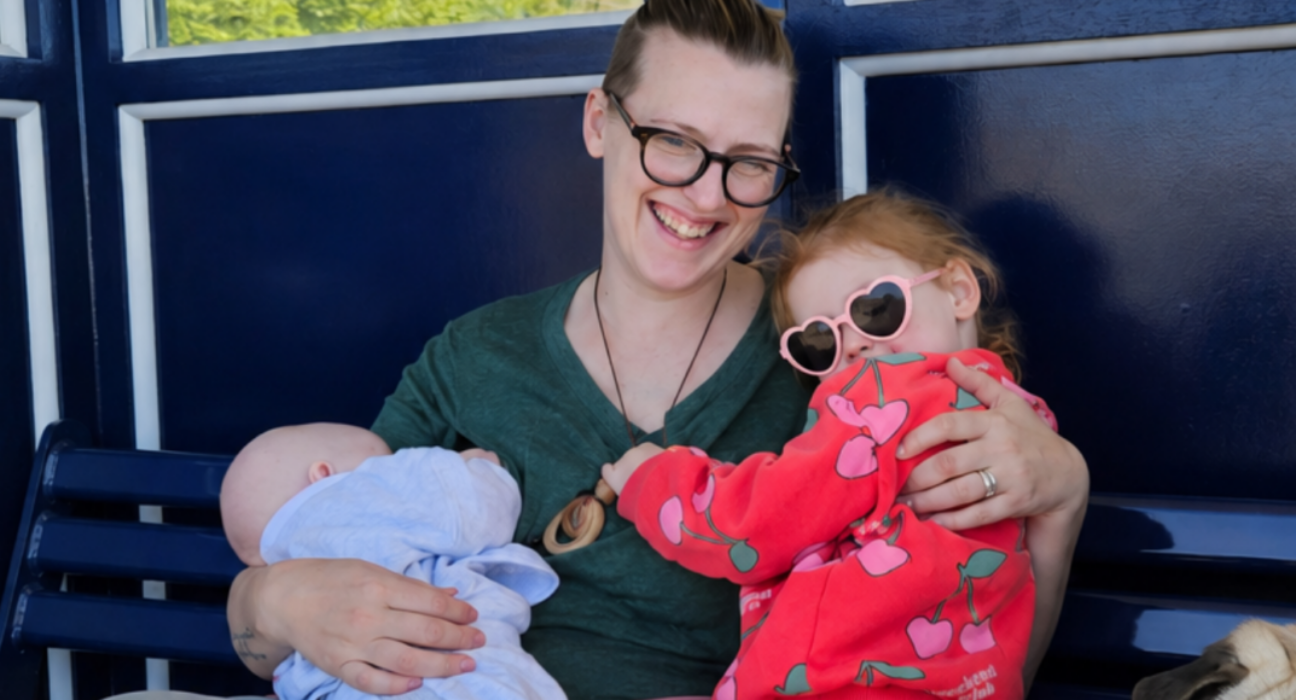
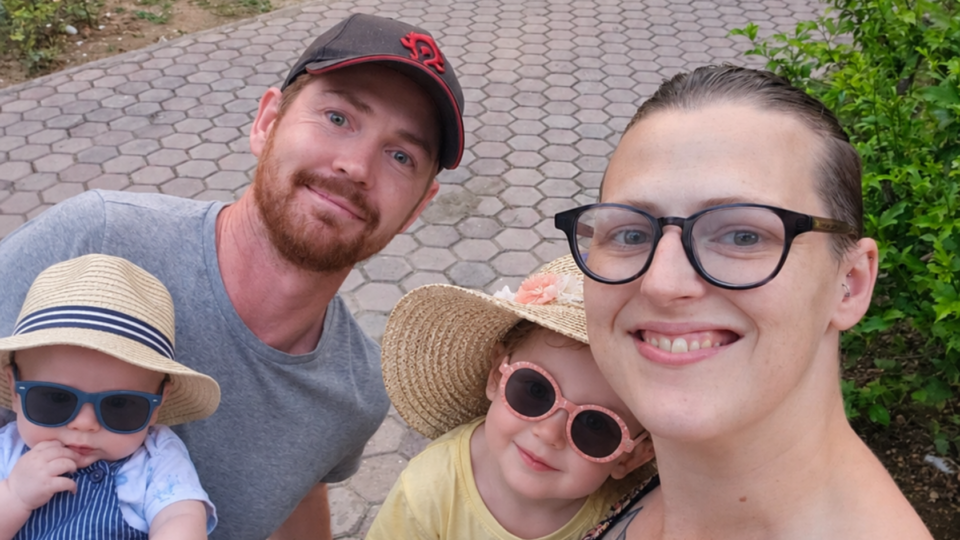
I love audiobooks and writing, and I recently started She Asked Anyway, a platform focused on women’s health, motherhood and self-advocacy. I am also passionate about community-building and spend much of my time helping to run The Playhub, our local family space.
Before finding The Lullaby Trust, I spoke to my midwife and health visitor and received information through the NCT antenatal course I attended. I also found the BASIS website particularly helpful for understanding biologically normal infant sleep and what parents can realistically expect.
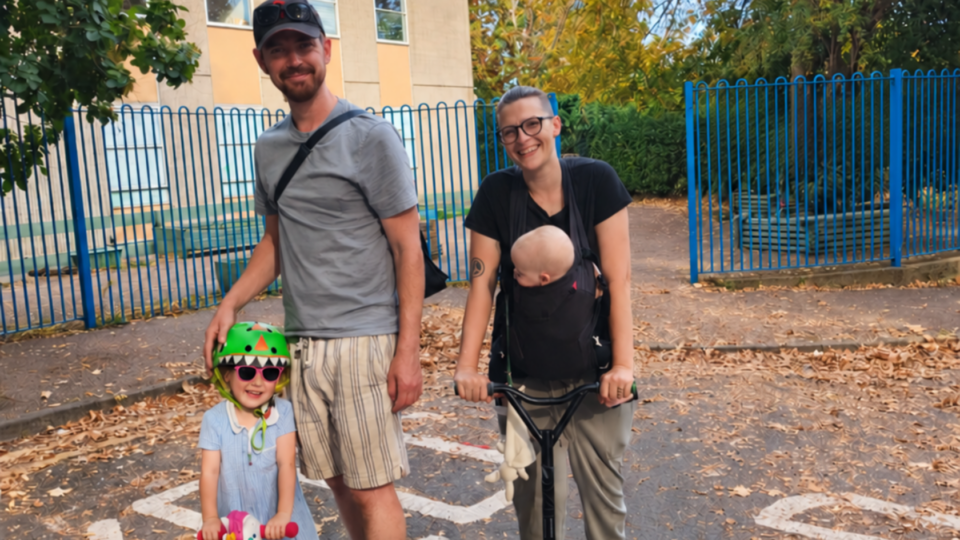
With my first baby, I received a lot of conflicting information. During one of my first postnatal visits, the midwife quite literally lifted my baby out of my bed, placed her in the cot and showed me that this was where and how she should sleep. It was done with kindness, but the message was very definite. My first health visitor was equally clear that bed-sharing was simply a no go.
It was only later, when I began reading more for myself, that I found information acknowledging that many parents do end up bed-sharing and explaining how to reduce the risks. That felt very different from the absolute message I had initially received. My experience with my second baby was also very different, because the conversation with my health visitor was much more open and realistic.
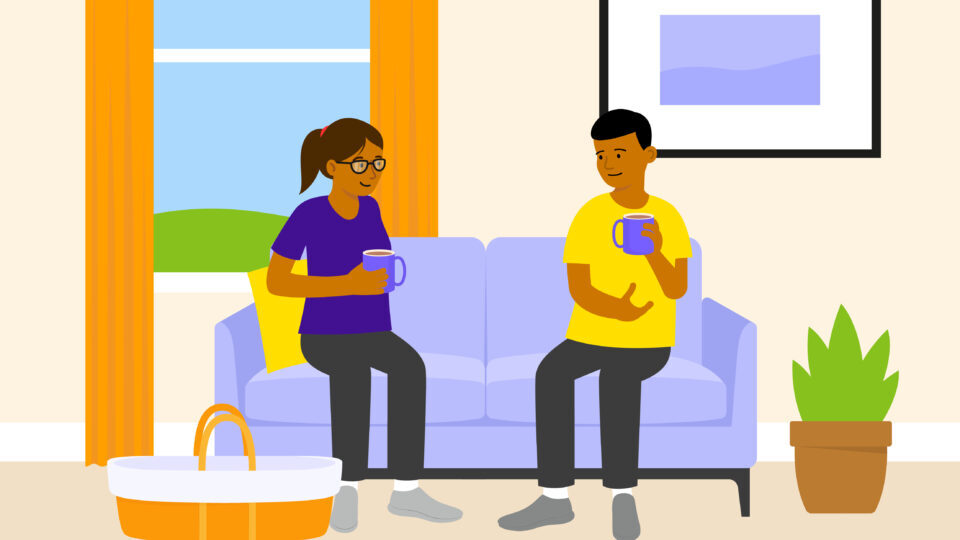
My first real conversation about SIDS was with my sister after my nephew was born, around eight months before I had my first baby. She had a great deal of anxiety about SIDS and felt very strongly that her baby needed to sleep in a cot for safety. She never told me what I should do, but she was open about how frightening the possibility felt to her.
Her fears affected her very differently from the way mine affected me. For her, bed-sharing was simply not an option. I felt safer having my baby close to me because I believed that, if we could all get some sleep, I would be better able to care for her safely.

I needed to hear that there was not one single type of parent who cared about safety and another who did not. My sister and I were both trying to protect our babies, but our fears and circumstances led us to make different choices.
I needed calm, practical information: that SIDS is rare, that there are evidence-based steps parents can take to reduce the risk and that no sleep environment is entirely without risk. Most importantly, I needed to know that I could speak honestly about what was happening at night without being frightened, shamed or treated as though I did not care about my baby’s safety.
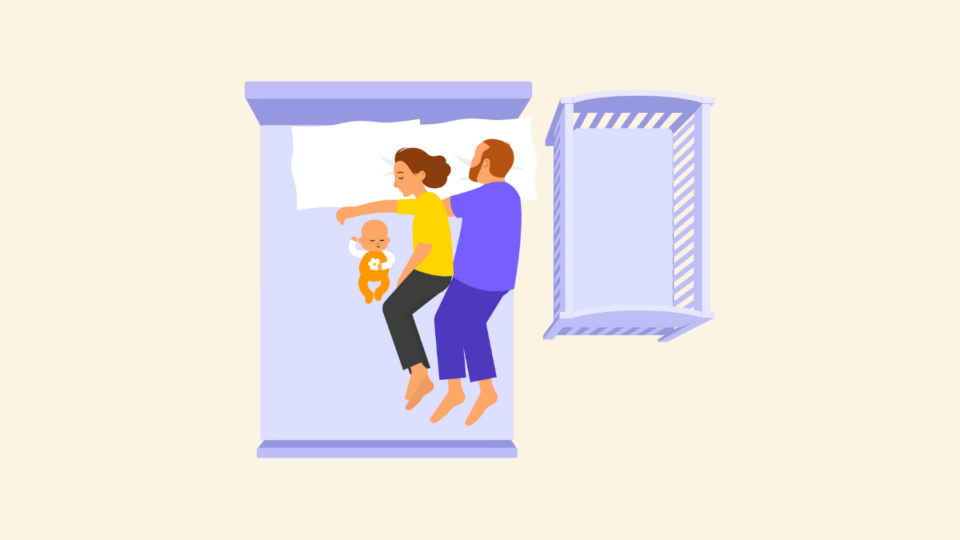
The Lullaby Trust helped me at a point when exhaustion had made our existing arrangement unsustainable. In the early weeks, Onyx would only sleep in contact with us, so my husband and I were taking turns to stay awake with her. One night, I found that he had fallen asleep sitting on the sofa with her on a breastfeeding pillow. He was slumped over her, and I remember thinking, this is not working!
I took her into bed, fed her lying on my side and we both slept. The following morning, I went to The Lullaby Trust website and read its information about bed-sharing. It helped me make deliberate changes to our sleep environment to reduce the risks, including changing our bedding and the position of our bed. Having practical information in writing reassured me that I could acknowledge what was really happening and make more informed decisions, rather than becoming so exhausted that one of us fell asleep with her somewhere much more dangerous.
I also appreciated the clarity of the language. I am a stickler for words because the way we name and explain something shapes how people understand it. Being able to distinguish between room-sharing, bed-sharing and other forms of co-sleeping helped me describe our arrangement accurately. I also valued the clear information about breastfeeding reducing the risk of SIDS. That was not presented as a judgement of parents who do not breastfeed, but as relevant evidence. For me, breastfeeding and bed-sharing were closely connected, my baby did not simply sleep beside me! She slept on the boob! Truthfully I felt more empowered to make decisions that worked for us.
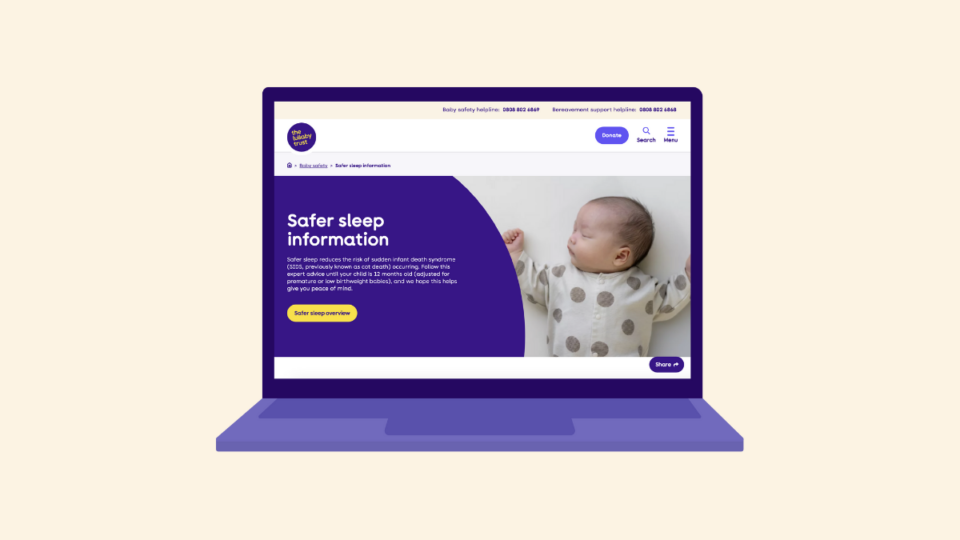
I have only used The Lullaby Trust’s website, but in the early days of bed-sharing with Onyx, I returned to it over and over again. I was often full of doubt and fear, particularly because I was surrounded by people who had made different choices or did not agree with bed-sharing. They were not necessarily judging me, but I found myself making comparisons and questioning whether I was doing the right thing.
Reading the guidance almost became a ritual. A couple of times a week, I would return to the website and remind myself: “I’m okay. This is my choice. This is my decision. The information is here in black and white, and I am following the guidance to reduce the risks.” It helped bring my anxiety down a level and reassured me that I was making an informed decision based on what worked for our family.
More recently, I returned to the website after my second baby was born prematurely and at a low birth weight, to understand how those factors affected the guidance around bed-sharing.

It meant that I did not have to choose between pretending we were following a sleep arrangement that was not working for us and feeling as though I was acting irresponsibly. I had reliable information that allowed me to make a considered decision and take practical steps to reduce the risks.
It gave me back a sense of agency at a time when I was exhausted, anxious and constantly questioning myself. Most importantly, it helped me feel that I could care deeply about safer sleep while also being honest about the realities of feeding and sleeping with a young baby.

I have bed-shared with both of my children. When my eldest was a baby, the message I received from professionals and people around me was often simply, “Don’t bed-share—it isn’t safe.” I was once told, “Babies die.” That language did not help me make informed decisions; it made me defensive and, eventually, I found it easier to tell certain people that my baby slept happily in her cot.
Speaking openly about bed-sharing does not mean promoting it or describing it as risk-free. It means recognising that parents may bed-share intentionally, unexpectedly or simply because exhaustion makes their original plan unsustainable. If the conversation ends at “Don’t do it,” parents who are already bed-sharing may hide it, while parents who never intended to do it may be completely unprepared when it happens.
Honest conversations allow parents to understand the circumstances in which bed-sharing is specifically advised against, the factors that increase risk and the practical steps that can reduce risk. Advice can only protect families when they feel able to engage with it truthfully.
I want to share my story because I know the difference between being warned and being supported. Fear based language made me hide what was happening, but clear, compassionate information allowed me to engage honestly with risk.
Parents can be told about the number of nappies they will change, cluster feeding, the witching hour and frequent waking, but we are still often woefully unprepared for the reality. We are sold an image of peacefully sleeping babies through television, advertising and books. Then our actual baby arrives and wakes at the drop of a hat. Whoever coined the phrase “sleeping like a baby” had clearly never tried to move one into a cot. The truth is that infant sleep is complicated and, quite often, it is rubbish.
When parents are simply told, “Your baby needs to sleep in a cot like this,” it can sound deceptively easy. If their baby will not sleep that way, they are left exhausted and wondering what they are doing wrong. Until we have realistic conversations about what normal infant sleep actually looks like, we cannot have honest conversations about what families do when the ideal arrangement is not working, including planned or unplanned bed-sharing.
I am not sharing my experience to persuade anybody to bed-share or to tell another family what choice they should make. I am sharing it because feeding, exhaustion and infant sleep rarely fit neatly into a perfect plan, and parents deserve reliable information that acknowledges that reality.
If another parent reads my story and feels able to speak honestly to a health professional, prepare for the possibility of unplanned bed-sharing or seek trusted guidance without shame, then sharing it will have been worthwhile.
Some parents choose to share a bed with their babies, while others sometimes fall asleep with their baby without meaning to. Sleeping together with your baby is known as co-sleeping.
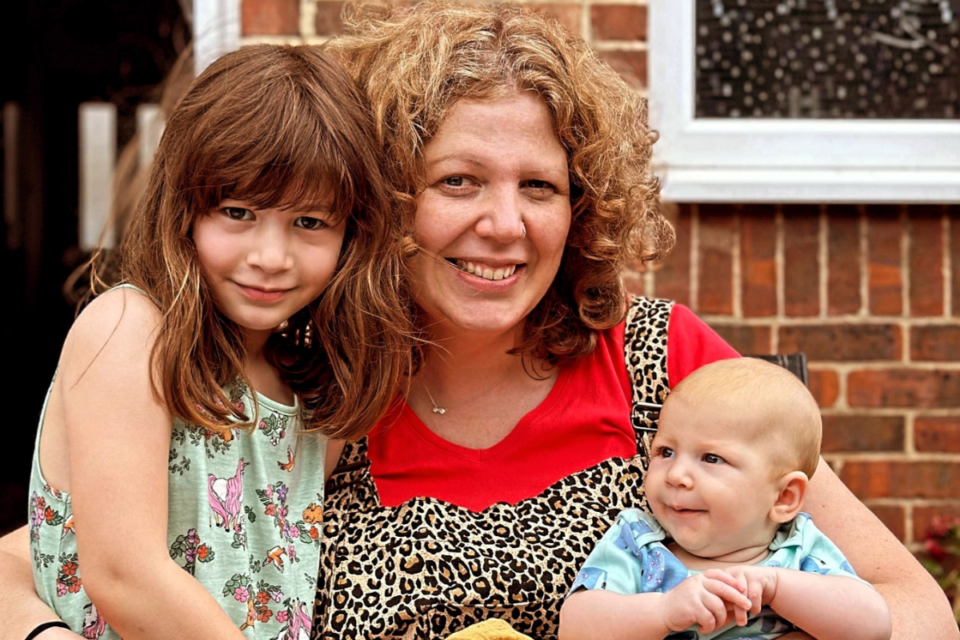
Lucy is a solo mum to her two daughters, Polly (five years) and Bessie (ten months).
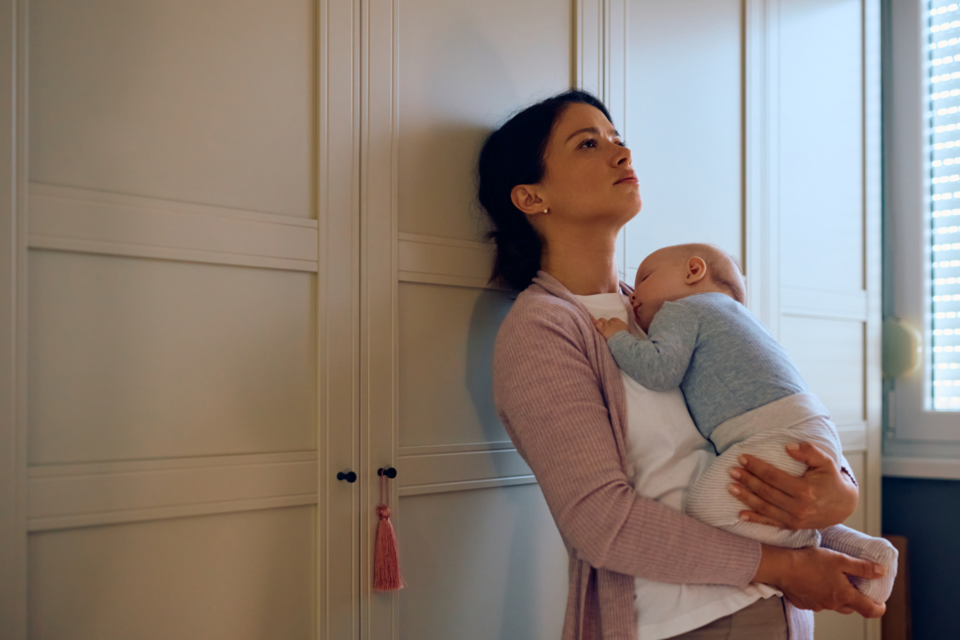
Coping with sleep deprivation as a new parent or carer can be tough. Your baby will probably wake up often and it can be hard to stay awake to keep them safe. You’re not alone.

How to keep your baby's airway open so they can breathe easily while they’re sleeping. Find safe ways for your baby to sleep, to help keep their airway open and clear.
Donate today and your kindness will empower families with trusted and life-saving baby safety advice, as well as providing a supportive space for anyone who has experienced the the sudden or unexpected death of a baby or infant.