Professionals hub
Information and resources for professionals working with parents with young babies and bereaved families.
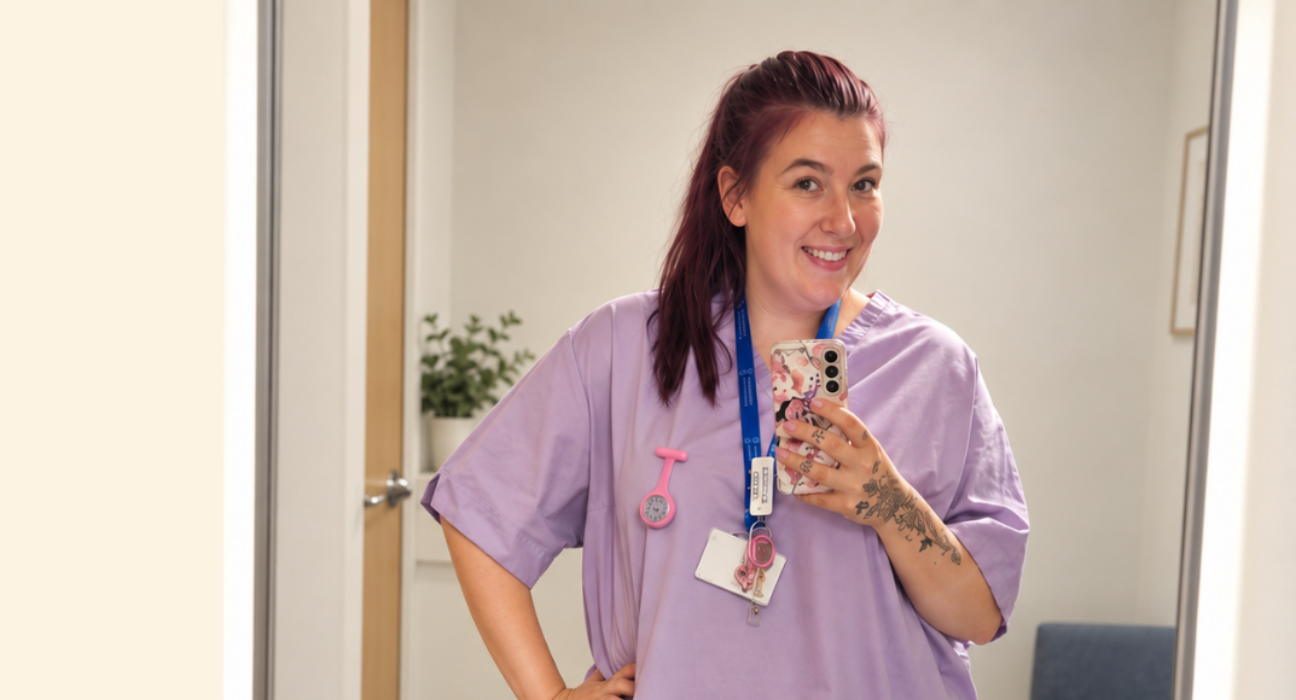

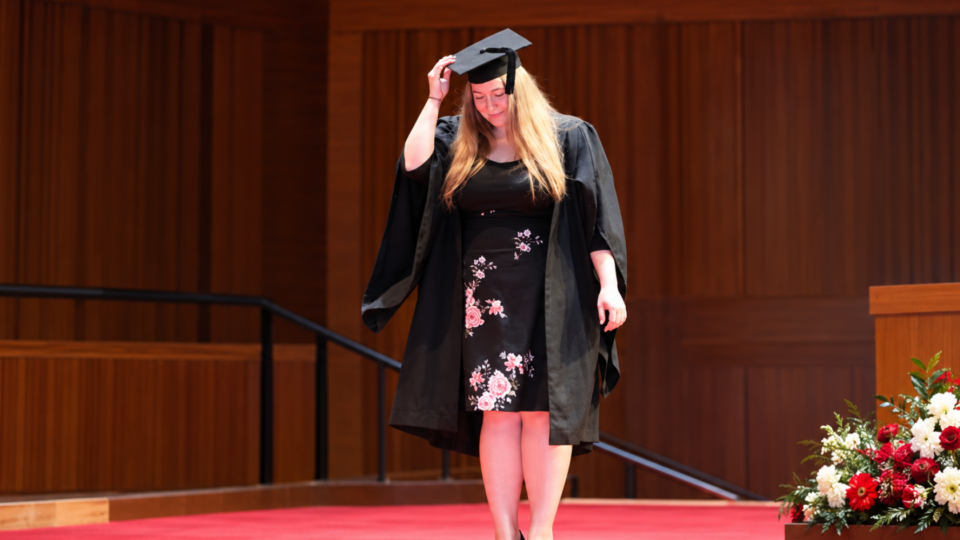
I’m originally from Essex, but I now live in Swansea and am a student midwife. It was the best decision of my life to move here. I’m 28 and I have two lovely children, Italia-Mai (age ten years) and Perry-James (age five years). Italia-Mai is homeschooled, as we’ve found that’s the best place to accommodate her autism and ADHD. Perry-James is a boistrous little boy and loves to play.
I’m also a bereaved mum, as I lost my three other girls. I had twins, Piper and Pippa, one who was born very premature at 23 weeks plus three. She was classed as a late miscarriage. My other twin was born at 24 weeks plus one. She was born alive for 47 minutes before she passed. I then had another baby, Poppy, who was stillborn at 36 weeks.
When I fell pregnant with Perry-James during Covid, my husband and I decided to leave everything behind and move to Wales. It was time for a fresh start.
I never wanted to do midwifery when I was younger. I used to be a sea cadet and was in the navy. When I fell pregnant, I couldn’t be in the navy and I chose to study forensic anthropology. Then my bereavement happened, and that’s what inspired me to take up midwifery.
It was my husband who encouraged me to apply for the course. I thought that I’d never be able to get in, I actually laughed and thought ‘how funny would it be if I became a midwife’.
I remember being completely fine when I left the hospital, with the girls’ boxes in my hands. I told everyone I was fine. In reality, I was in shock and hadn’t taken it all in yet. It was only when I got on the train that it started to feel real. A little girl came up to me and asked about the boxes – it was then that it hit me.
It’s been difficult for me. It hurts and that hurt will never go away. I’ll always have this hole inside me that will never be filled. It’s like walking on eggshells. When I first moved to Wales, I was having nightmares and tremors. I developed PTSD following my experiences, and although I’ve come a long way, it is something I still live with. There’s isn’t a lot that will trigger me.
One thing that does really trigger me is frankinsense, because when I was giving birth with the twins, the woman next to me was using it, so the smell really triggers me now. If there’s ever aromatherapy on the ward when I’m at work, I just can’t be there. I have to protect my mental health.
Ultimately, I’ve lost my girls three times, and I don’t want to watch another family go through it. If I feel like I’ve done all I can, then I’ve done my job.
I signpost families to The Lullaby Trust’s baby safety advice a lot when I’m with families on the ward. I think it’s so important to support families as much as possible. No matter who you are or what your journey is, you have feelings. We’re all human. I like to explain to parents what’s happening every step of the way and ask open questions, involving them as much as possible.
When I gave birth to the twins, I was given a little pill and wasn’t even told what it was. When I asked, they said it’s to stop my milk, but they hadn’t even asked if I have any other children. I had my one-year-old who I was breastfeeding, so it’s lucky I didn’t take it.

I don’t find it difficult being a midwife, despite my experience of grief. I know how it feels to have a family because I have Italia-Mai and Perry-James. The hardest part about being a student midwife is knowing what can go wrong so being constantly on edge. It can be hard for me to work out if it’s my feelings coming into play or my medical understanding and knowledge.
I use my experience of grief to try and be the best midwife I possibly can be. I know how it feels not to be listened to, and when people don’t listen, things go wrong. I kept telling health professionals that I was worried something was wrong when I was pregnant with Poppy, but I don’t feel I was taken seriously enough. I was told it was anxiety, or was told that since it wasn’t twins this time, it was bound to feel different. I remember looking at my stillborn on the ultrasound whilst a midwife told me to keep the noise down.
There was a particular midwife who I really remember, who was great. She’s the midwife I aspire to be like.

Following the recent national review into maternity services, it was highlighted that there is a need to strengthen the maternity workforce. I’m really passionate about how we can change things for the better. I’ve recognised that many student healthcare professionals can be expected to care for bereaved families without feeling sufficiently prepared. This can affect both the care families receive and the emotional wellbeing of students themselves.
The bereavement training I’ve received has covered the basics, but I don’t feel that’s enough to prepare students for the reality of supporting a family whose baby has died. I believe scenario-based and simulation training could make a real difference, giving students a safe space to practise difficult conversations, tone, body language and compassionate care.
I’d love to see bereavement education introduced early and developed throughout midwifery training, so future midwives feel more knowledgeable, confident and prepared to support bereaved families.
If sharing my experiences can help raise awareness, support other bereaved parents, or contribute to improving education and care for healthcare professionals, then it will be worth it.
Following the loss of my own babies, I have become deeply passionate about improving bereavement care and education for student midwives and healthcare professionals. I firmly believe that every family deserves compassionate, knowledgeable, and confident care during the most devastating moments of their lives, and I hope that by sharing my story I can help make a positive difference.
I make a cake on their birthday, and I have their names tattooed on my arm. It serves as an important reminder of why I’m here and the passion I have to improve midwifery. They also allow me to open up more conversations with people about how I actually have five children, not two.
Information and resources for professionals working with parents with young babies and bereaved families.
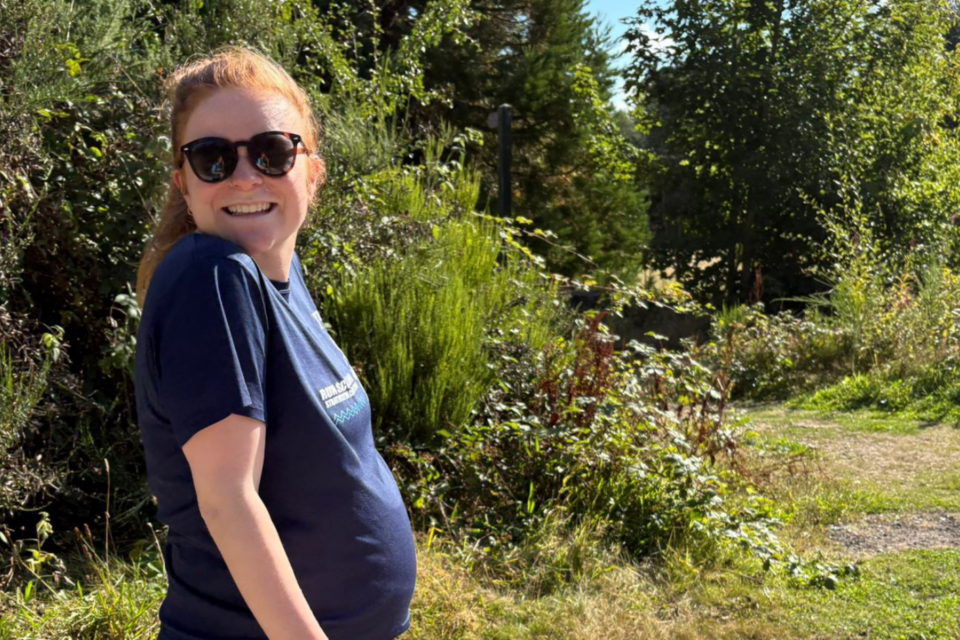
Chloe, a new mum and former paediatric nurse from Scotland, shares how her experience caring for a baby who died shaped her approach to parenthood and led her to The Lullaby Trust for guidance.
Our training packages cover bereavement communication, how to support anyone affected by the death of a baby or young child, as well as understanding grief in a cultural context.
Donate today and your kindness will empower families with trusted and life-saving baby safety advice, as well as providing a supportive space for anyone who has experienced the the sudden or unexpected death of a baby or infant.