
On December 22 1981, my son, James Thomas, was born. I was in labour for about twelve hours. At first, the doctor thought the baby was breach and that I’d need a c-section, but they then found that James had turned and was in a face presentation. When I first saw him, I was shocked. His face was badly bruised and his lips were swollen. I got a precious five minutes with him and a few photos before the midwife told me he had to go to a children’s hospital in Edinburgh because he wasn’t breathing too well on his own, and needed close monitoring.
I was allowed home that evening, but I felt empty. I remember how snowy it was that day. There were no buses running and nobody wanted to risk driving, so the roads were eerily quiet.
A week later, beautiful James could come home. His bruising had gone down, and he had the same sallow skin and jet-black hair as my dad. We were told that because of the way James was born, he had ‘stridor’. This meant that his breathing could easily become laboured if his head and neck were bent over. We had to be very careful that he was in a safe position.
I also had a daughter called Honor, and her and James were very close. When James had been home for two weeks, Honor caught a throat infection and James caught it too. We spent some time in hospital again, and shortly after he recovered, he caught chickenpox and a chest infection. Another week or so went by that I spent with him in hospital. The doctor let me know that we could go home the next day. I was so excited to finally be home with James, and I was so relieved that he was better.
I went home that night to get all his things sorted. The next morning, I heard a knock on the door and I knew immediately that it was the police. I couldn’t bring myself to answer the door, so my partner went instead. I just knew deep down in the pit of my stomach that something was wrong with James. At the hospital, the words the doctor said to me went on to haunt me for years. “James has stopped breathing”, he said. I went to see him in intensive care and was shocked by what I saw. There were so many tubes and drips attached to him, it was unbearable. The doctor explained to me that James may have severe brain damage if he survives. I didn’t hear any more after that. I just wanted to hold him.
We spent two precious days with James. The doctor then explained that James’ was brain dead, and we had to make a decision whether to turn off his life support. I broke down. We made the most of the little time we had left with James, cuddling and kissing him as much as we could, and sent for our parents to be present.
I requested that all the tubes and drips were taken out, so I could hold him in my arms when the machine was turned off.
The postmortem stated that it was sudden infant death syndrome. I didn’t reach out to anyone for support as I didn’t know who to go to. It was heartbreaking, but if it wasn’t for my family I don’t think I’d be here today.
-
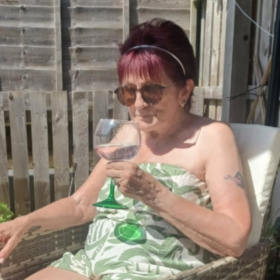
It’s so important for me to share my story, because I hope I can encourage others to reach out for support if they need it. Whether your baby died recently or many years ago, support from organisations like The Lullaby Trust can be vital.
Barbara
Discover more

How your body may physically respond after your baby dies
The sudden and unexpected death of a baby or young child can have a huge impact on the body and the mind.
Understanding trauma after the sudden and unexpected death of a baby or young child
The sudden and unexpected death of a baby or young child can be deeply traumatic. There is no right or wrong way to respond, everyone’s experience is unique.
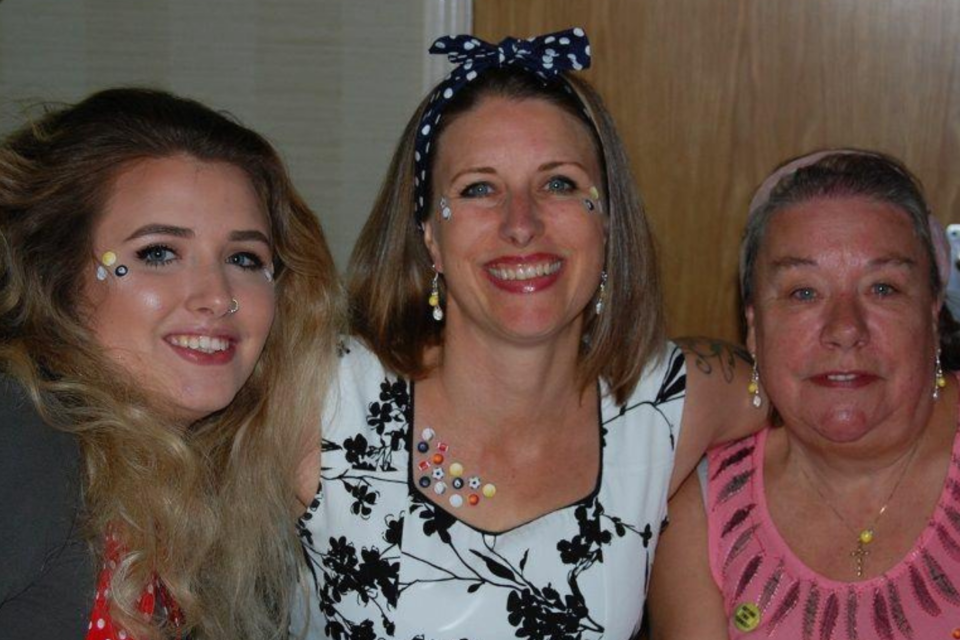
Jean’s story
Jean spoke to us about her son, Paul, who died suddenly and unexpectedly at six weeks old. Jean got in touch with us after reading about our new police training in our e-newsletter.
You can support people like Barbara
Donate today and your kindness will empower families with trusted and life-saving baby safety advice, as well as providing a supportive space for anyone who has experienced the the sudden or unexpected death of a baby or infant.