When it’s cooler than 16°C
While it can be tempting to wrap your baby up to keep them warm and cosy, it’s important to remember that it’s possible for them to overheat, and this increases the risk of SIDS.
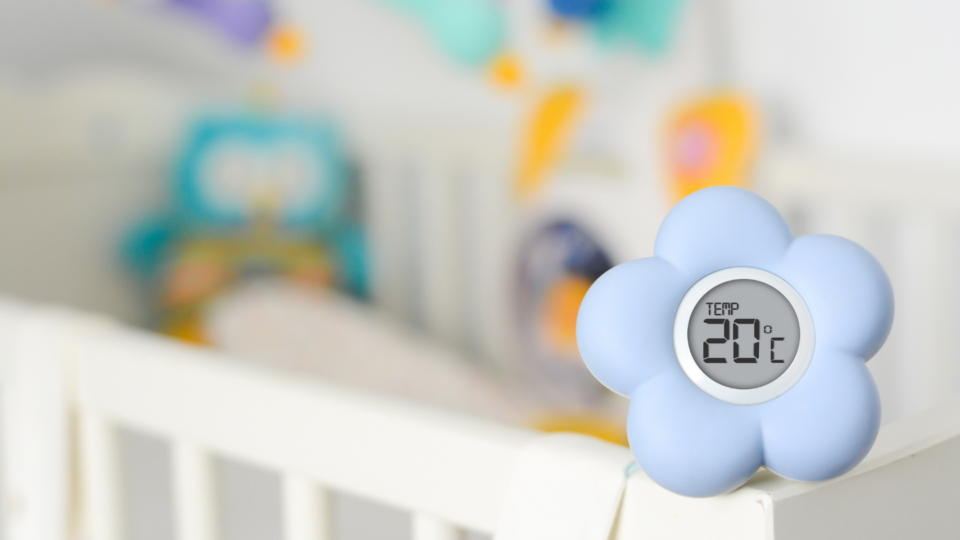
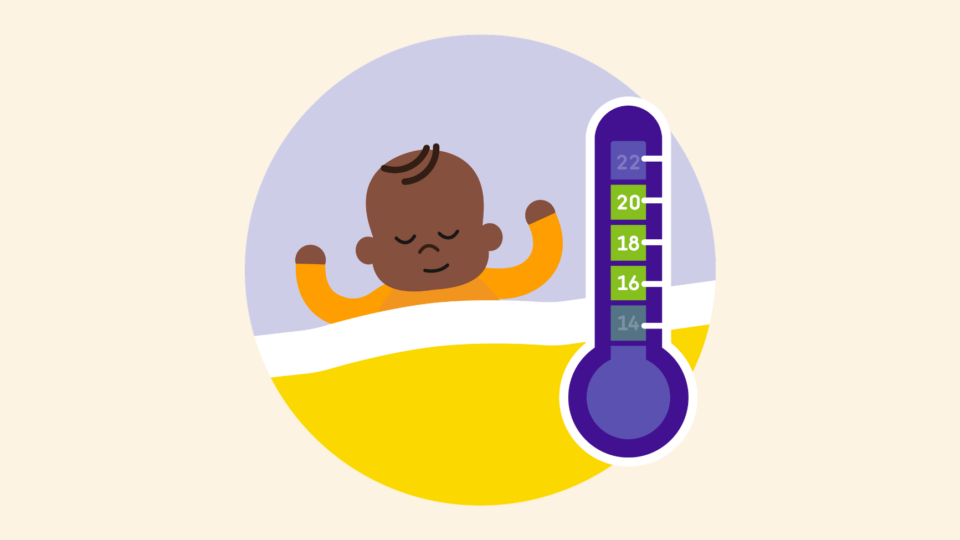
The recommended room temperature for babies is 16 – 20°C so that they don’t get too hot. It can be difficult to guess temperature so use a room thermometer in the rooms where your baby sleeps. The risk of sudden infant death syndrome (SIDS) is higher in babies who get too hot, so it’s important to make sure your baby is at a comfortable temperature.
If your room temperature is 16 – 20°C, a lightweight, well-fitting baby sleep bag or light bedding is comfortable.
Remember, all babies are different, so the most important thing is that no matter what the temperature is, you regularly check that your baby is not too hot. You can find guidance on this as you read on.
While it can be tempting to wrap your baby up to keep them warm and cosy, it’s important to remember that it’s possible for them to overheat, and this increases the risk of SIDS.
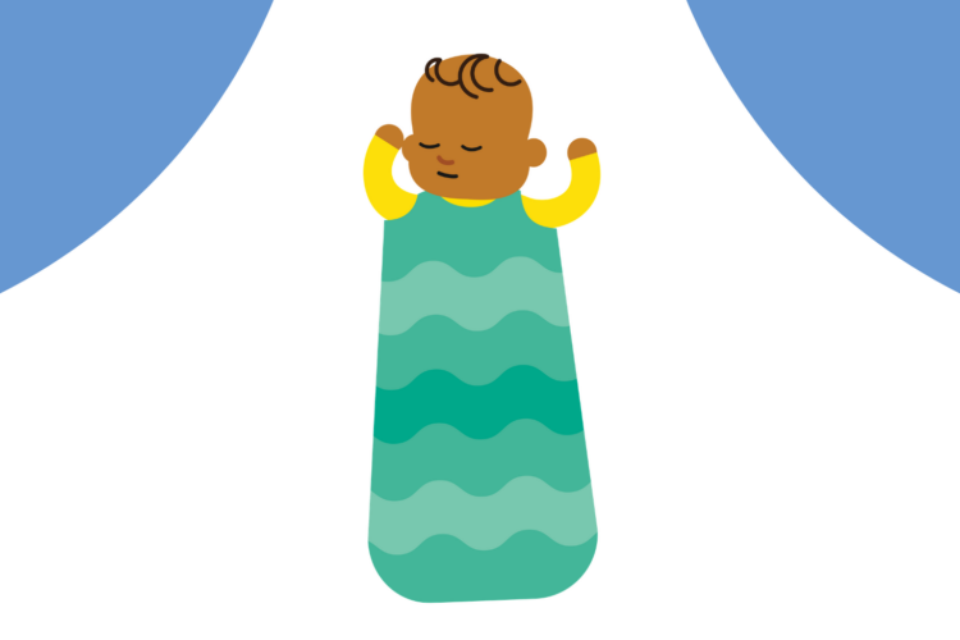
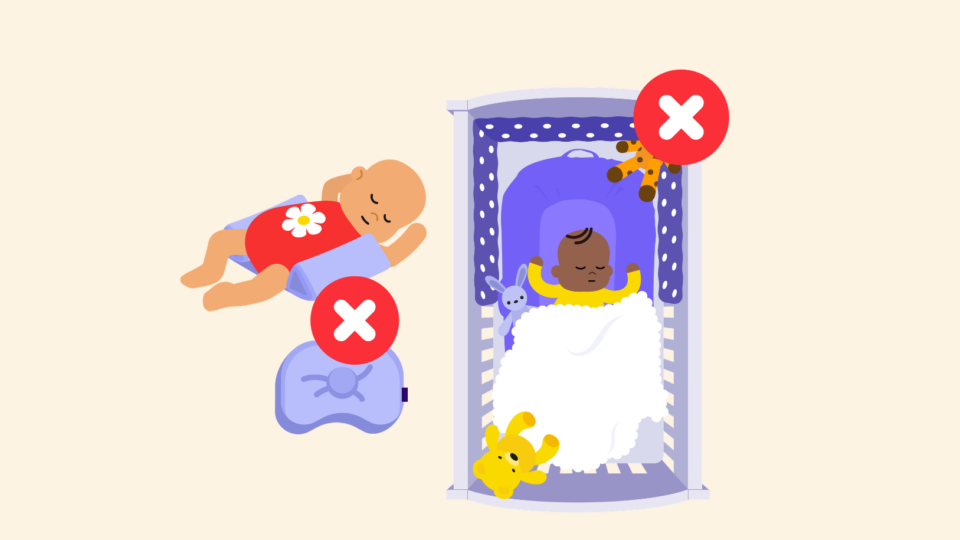
If you’re using a baby sleeping bag, don’t add extra blankets on top. Add an extra layer of clothing or choose a higher tog sleeping bag if your baby feels cold.

You may choose to use a baby grow and baby sleep bag. Baby sleep bags are a good option for safer sleep. They help stop your baby from wriggling down under covers and getting their head covered.
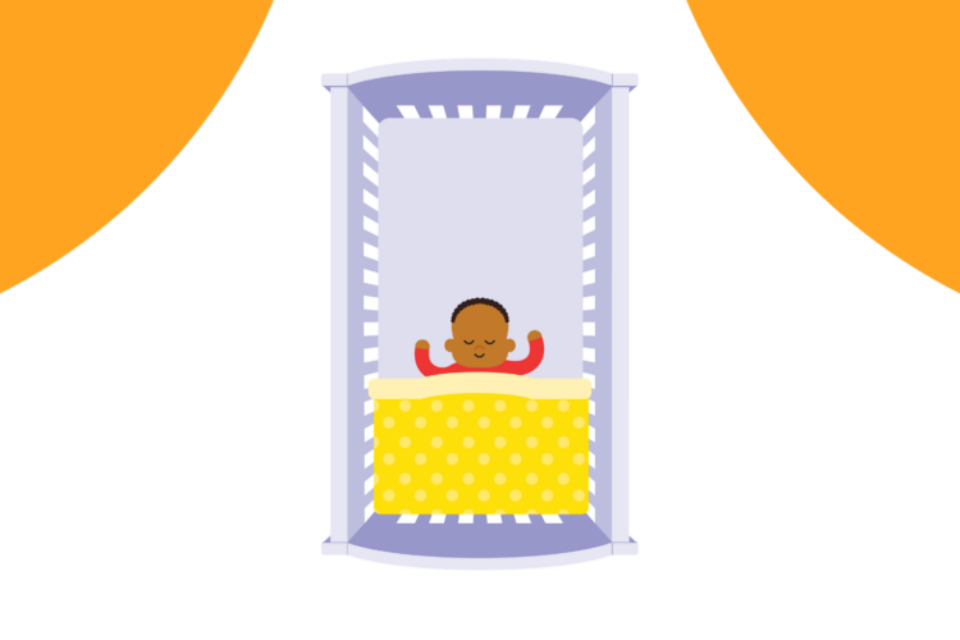
You might choose to dress your baby in a baby grow, and add a firmly tucked in, lightweight blanket.
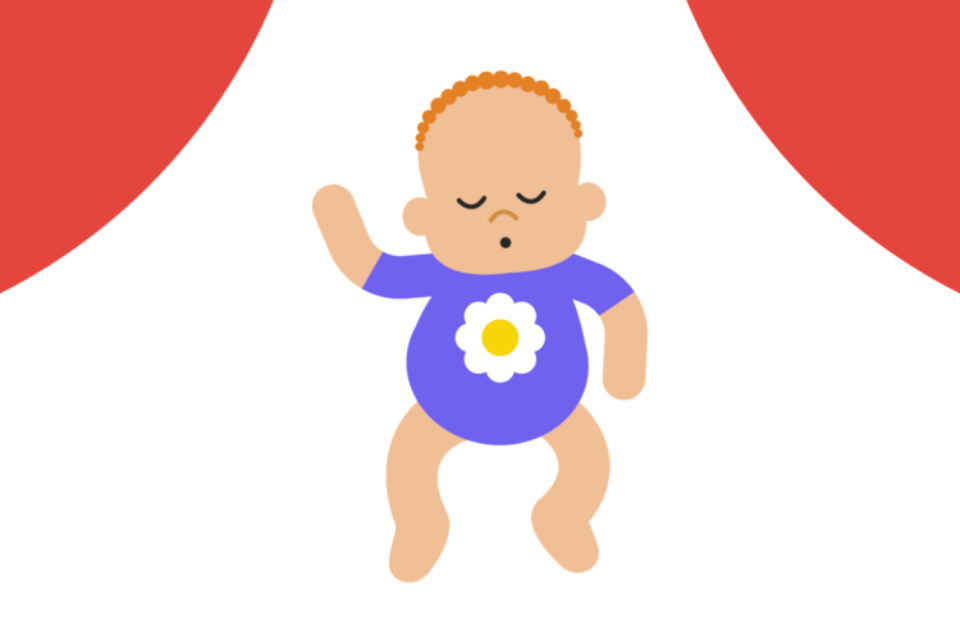
In hot weather, it’s fine to have your baby in a lightweight layer such as a short sleeve bodysuit, or even just a nappy.
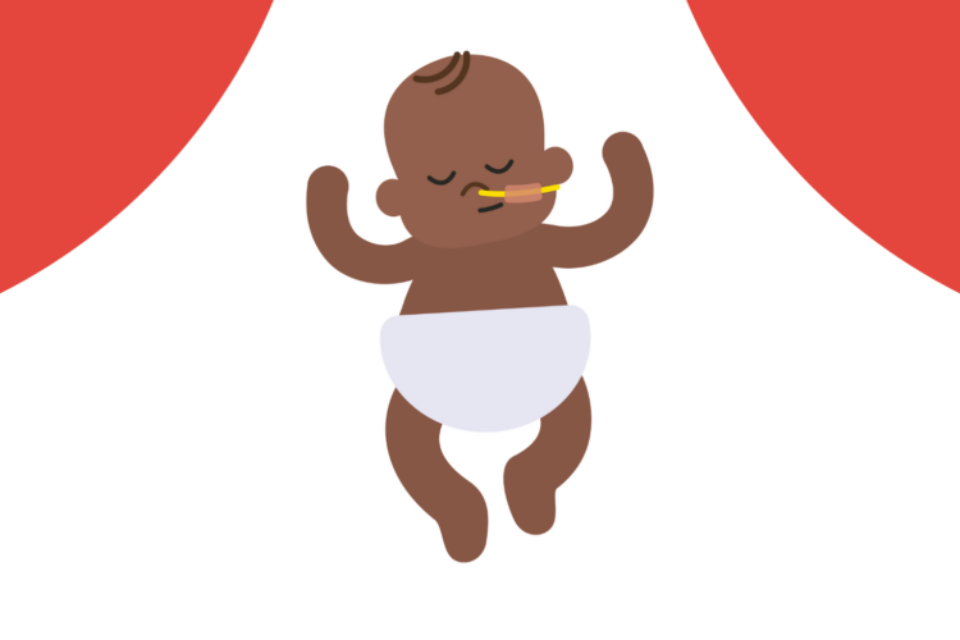
In really hot weather, it’s fine to have your baby in a short sleeve vest or even just a nappy.
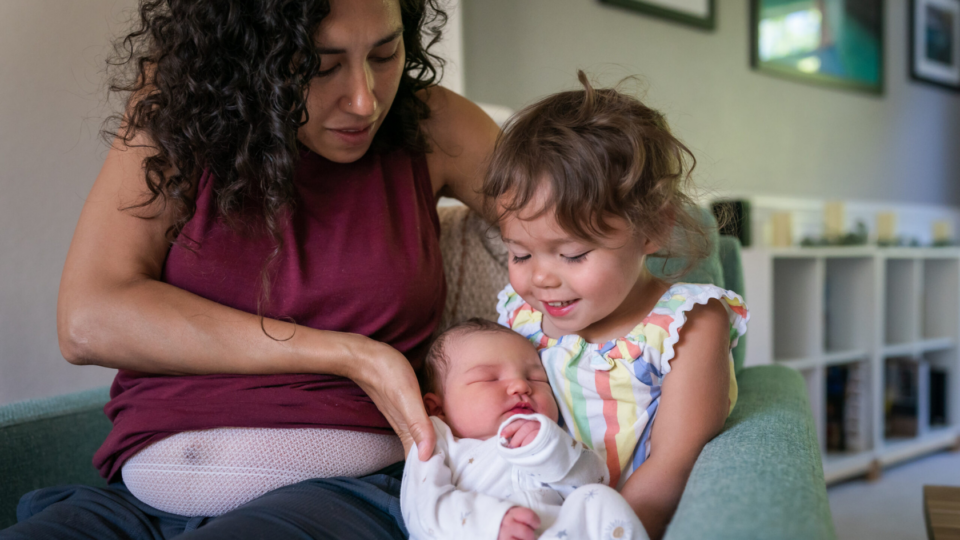
Every baby is different and our advice on the ideal room temperature for babies is intended as a guide only. You will still need to check your baby regularly to see if they are too hot, explained later on this page. Here are some important things to remember for safer sleep:
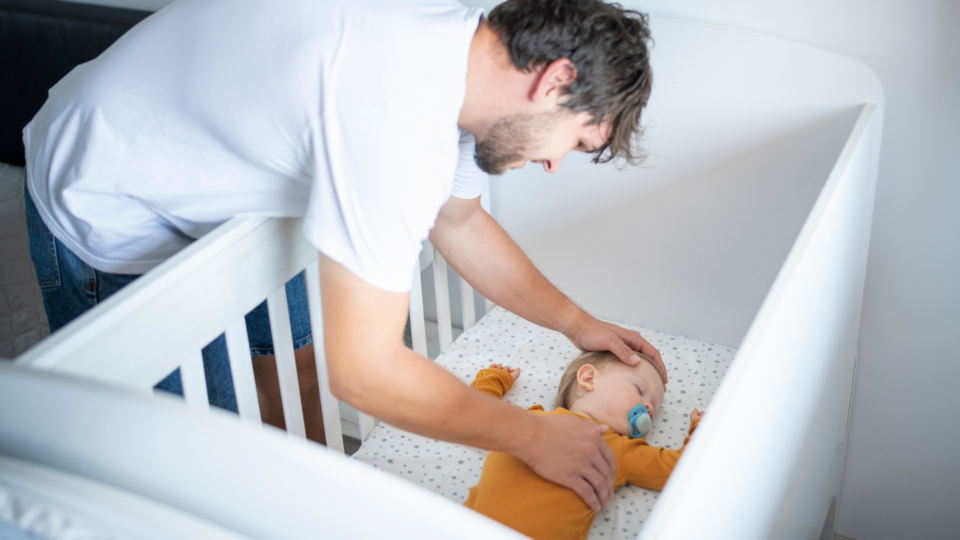
Remember that:
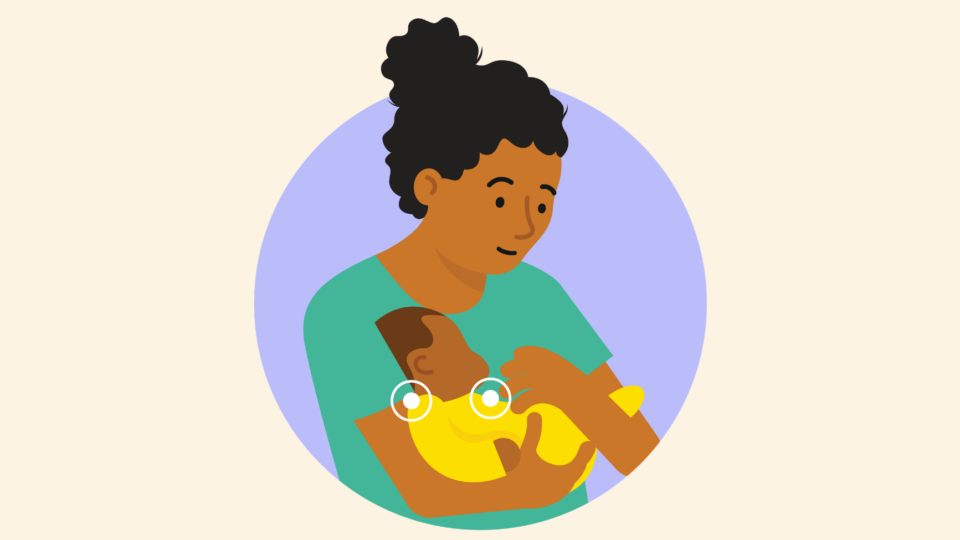
Research shows that babies are safer being cooler than being too hot, as overheating increases the risk of sudden infant death syndrome (SIDS). Every baby is different and our advice on the ideal room temperature for babies is a guide. You will still need to check your baby regularly to see if they are too hot.
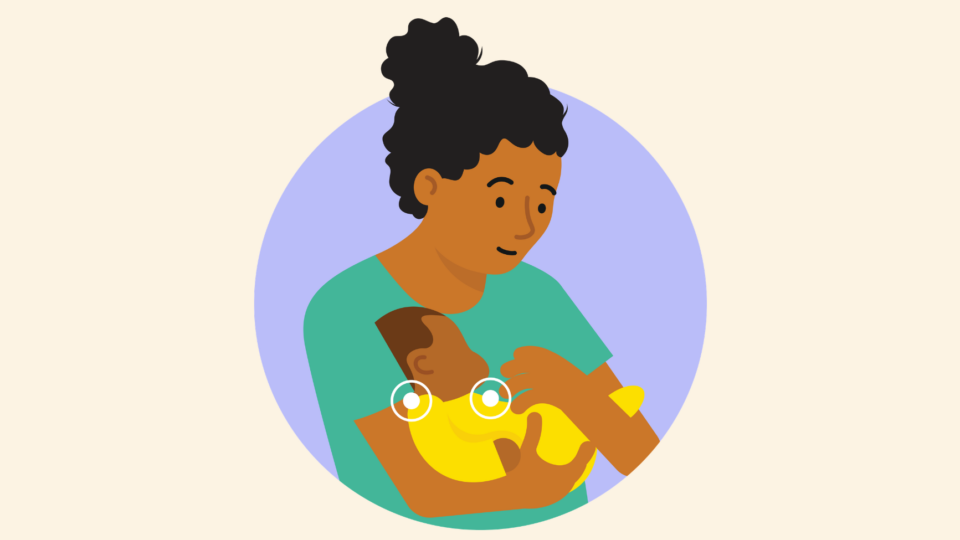
To do this, feel your baby’s chest or the back of their neck (your baby’s hands and feet will usually be cooler, which is normal). If your baby’s skin is hot or sweaty, it means they are too hot so remove one or more layers of bedclothes or bedding.
If your baby feels cold, add an extra layer of clothing or choose a higher tog sleeping bag. Your baby may be cold if their chest feels cold (your baby’s hands and feet will usually be cooler, which is normal).
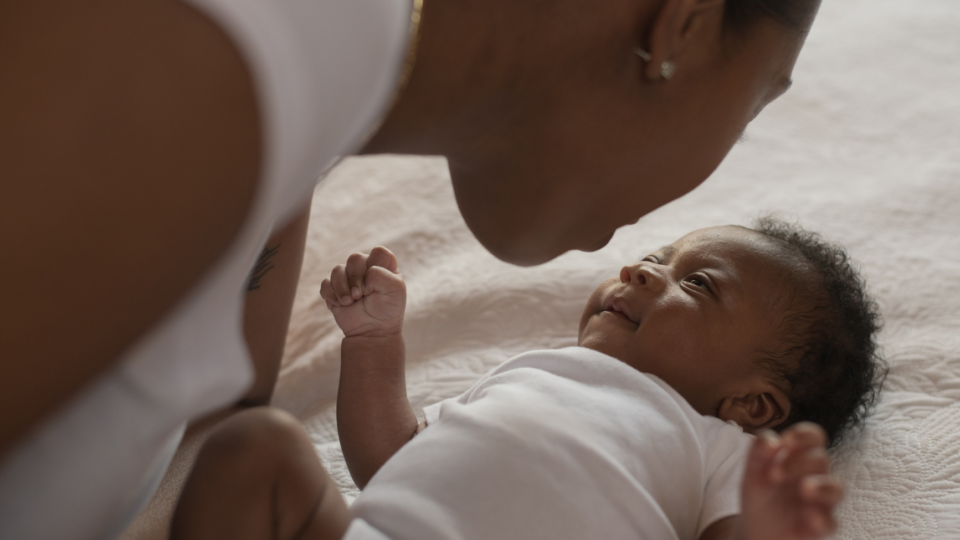
Tog is a measure of insulation (warmth) that is used for items like baby sleeping bags and blankets. The higher the number in the tog rating, the warmer the product. In warmer rooms, you should use a lower tog. In cooler rooms, you might use a higher tog.
Families understandably often look to us for a chart or a more specific guide on matching room temperature to clothing, clothing layers and tog. Unfortunately, we’re unable to provide this specific advice because:
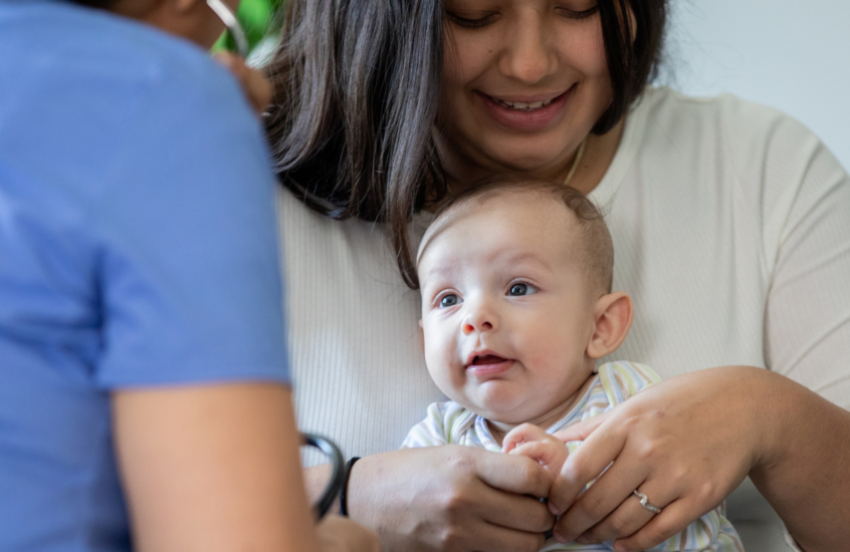
It can feel overwhelming to know how to dress your baby for sleep, especially when you see conflicting advice online. Our guidance is based on decades of research into safer sleep. By following these simple steps, such as monitoring the room temperature, being aware of what your baby is wearing, not overwrapping your baby and knowing how to check their temperature – you’ll be giving your baby the best start for safer sleep.
If you found this information helpful, consider donating today to help us reach and help the next parent or carer, just like you. Your kindness will: