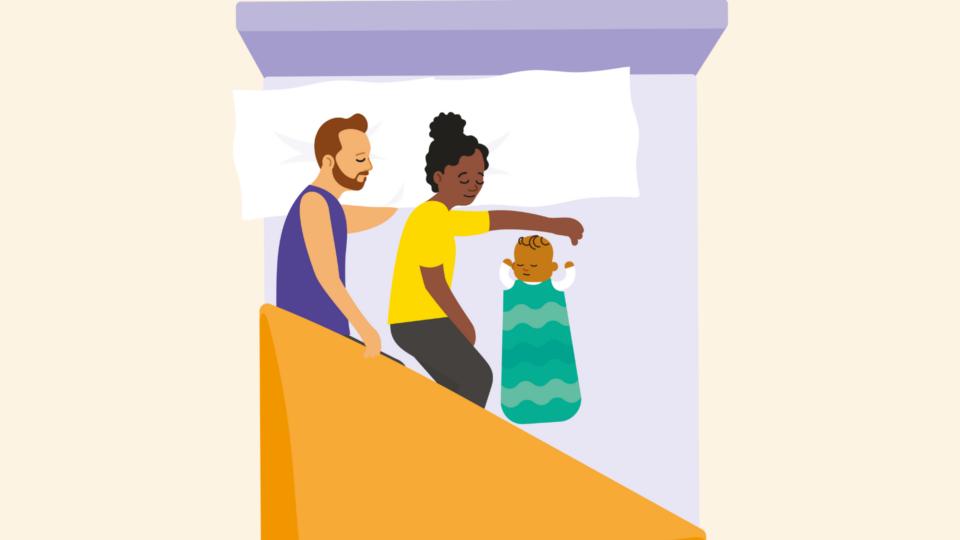

Sleeping position
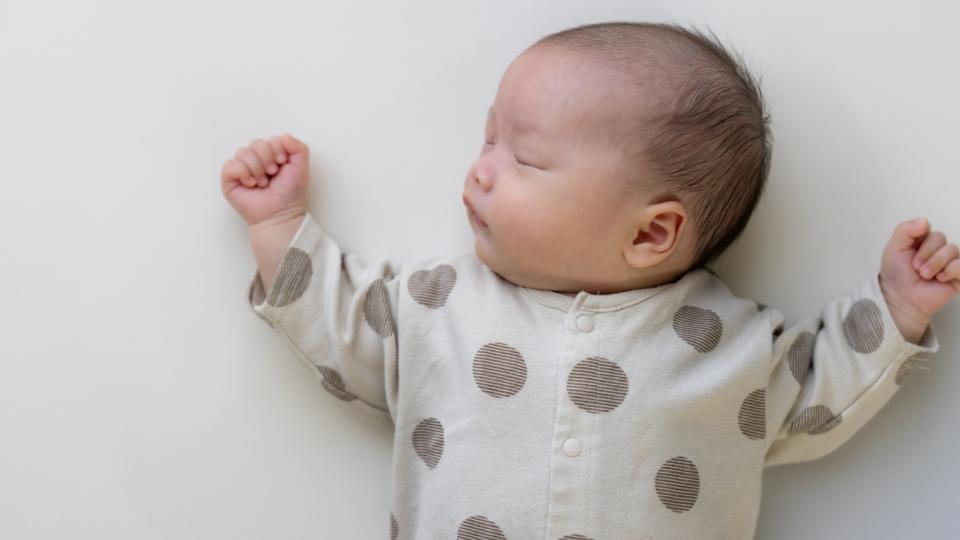
The best baby sleep position is on their back. Put your baby on their back for every sleep, day or night, as this is the safest way for them to sleep.

We’re pleased to share that guidance on medicines that can cause drowsiness has been strengthened this week, to highlight the risks of co-sleeping while drowsy to parents and carers.
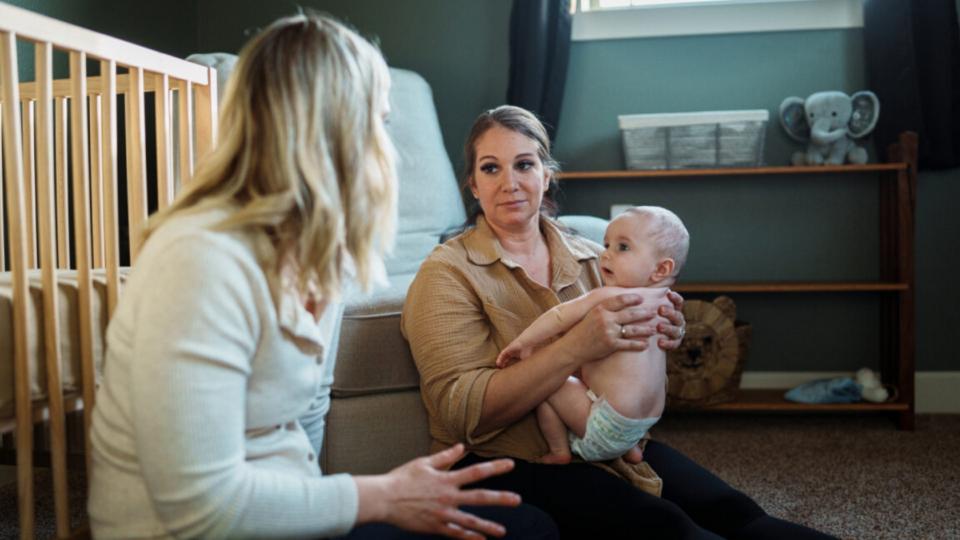
The updated guidance means that when medicines that may cause drowsiness are dispensed, pharmacists are now encouraged to consider whether the person receiving the medication cares for a baby under 12 months. If they do, they can offer clear advice about safer sleep and the risks associated with co-sleeping in certain circumstances.
This includes new wording within standard cautionary guidance, which now advises that:
Patients who are parents or carers of babies aged up to 12 months should be counselled on the risks of co-sleeping (sleeping with a baby on a bed, sofa, chair, etc.) and directed to trusted safer sleep information.
Importantly, this guidance signposts families and carers to The Lullaby Trust for further information on safer sleep and co-sleeping.
We know that co-sleeping can be significantly more dangerous in certain situations, including when an adult has taken medication that causes drowsiness. These medicines can reduce awareness and responsiveness, increasing the risk of accidents and sudden infant death syndrome (SIDS).
This update reflects growing evidence identified by Child Death Overview Panels (CDOPs) across the country, which highlighted cases where co-sleeping alongside drowsiness-inducing medication was a contributing risk factor.
This change creates more opportunities for families to receive consistent, evidence-based advice.
We are grateful to all of the organisations and teams involved in making this change possible. The British National Formulary (BNF), the British National Formulary for Children (BNFC), the National Child Mortality Database (NCMD), NHS England and Child Death Overview Panels (CDOPs) all over the country.
The best baby sleep position is on their back. Put your baby on their back for every sleep, day or night, as this is the safest way for them to sleep.

Some parents choose to share a bed with their babies, while others sometimes fall asleep with their baby without meaning to. Sleeping together with your baby is known as co-sleeping.

With so many baby sleeping products on the market it can be hard to know what to choose, so use these guidelines to help you choose safer sleep products for your baby.