

Understanding sibling grief
As an adult sibling, whether you were a baby, child, teenager, or not yet born when your brother or sister died, the impact can stay with you in many ways. It might not just be grief for the sibling, but also the lasting effects of how your family changed after their death. This may be the way your parents coped, what was spoken about (or not), and how the loss shaped the household and emotional landscape you grew up in.
Grief as a sibling can be confusing and isolating. You may feel a deep sense of loss for someone you barely knew or never met, but they are still part of your story. For some, it’s a sadness about what could have been, a relationship that never had the chance to develop.
Siblings often describe feeling side-lined or overlooked after the death of a baby or child. With attention focused on grieving parents, your own feelings may not have been acknowledged or understood. For others, the opposite may be true. Some siblings remember their parents becoming extremely anxious, overprotective, or emotionally dependent on them. This can feel overwhelming or confusing.
-
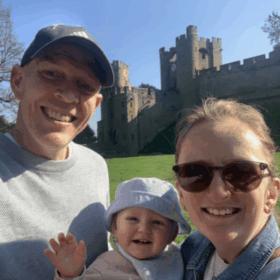
Mark's experience as a bereaved sibling
My sister, Gayle, died when she was six weeks old. I was only one and a half years old. I’m told that children don’t form memories until they are about two or three, but I remember as a teenager, having images in my head of what happened. I thought it was a dream, but speaking to my dad helped me realise that I was actually able to recount images from the day Gayle died.
Mark
Being a baby after loss
If you were born after the death of your sibling, you may be referred to as a Rainbow baby. This may carry layers of emotional complexity, as some Rainbow babies feel they were expected to bring healing or hope. You may feel an unspoken pressure to live a life “for two.”
The role you played in the family
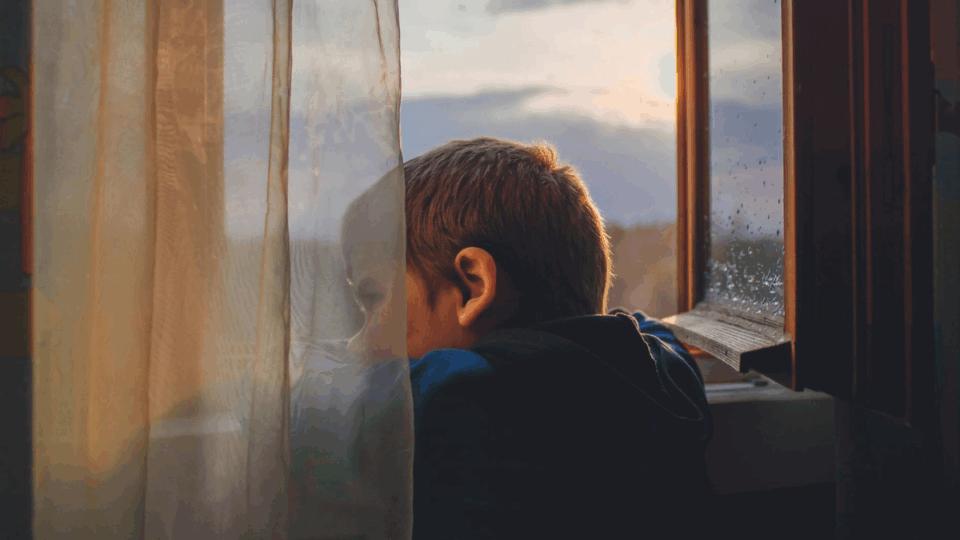
As a sibling, you may have taken on a particular role in response to the loss, whether by choice, instinct, or because it was expected of you.
Some siblings describe feeling they had to be ‘the strong one,’ supporting their parents or trying to avoid causing more pain. You may have held it together for your parents, avoided showing your own sadness or pushed your own feelings aside so you wouldn’t add to the pain or grief already in the room.
Others were seen as the one who would bring comfort or hope, especially if they were born after the loss. You may feel as though you were expected to fill a gap or help heal your family’s pain, even if it was never said aloud.
Some may have become the ‘quiet one,’ trying to stay small, not ask for too much or talk about how you feel in order to avoid upsetting others. You may have learned to keep emotions to yourself.
Being ‘the fixer’ might’ve meant trying to make things better for everyone. This could be taking care of people emotionally, taking on responsibilities typically beyond your age, or always trying to keep the peace.
Whatever role you found yourself in, it may have shaped how you saw yourself and your place in the family. These experiences can stay with you into adulthood, even if they’re not always easy to name. Taking time to reflect on how your sibling’s death affected family dynamics and your role within them can be an important part of making sense of your own grief.
-

Stefan's experience as a bereaved sibling
I was a very angry teen. I was in trouble with the police a lot and just didn’t want to listen to anyone. This continued through my adolescence. When I was 30, I sought professional help, which was a complete gamechanger. It taught me about the way I process and see the world and my experiences as a bereaved sibling, and how to deal with things that happen out of my control.
Stefan
Becoming a parent yourself
If you’re now a parent or thinking about becoming one, you may experience grief resurfacing in new ways. Even if you never met your sibling, knowing they died can make pregnancy or parenting emotionally complex.
You might worry something will go wrong, struggle to feel excited, or find it hard to relax into being a parent. You might also find yourself thinking about how and when to talk to your own children about the sibling you lost.

For some, this time also brings an added emotional burden of trying to manage their parents’ fears as they step into the role of grandparents.
Your parents may now be anxious, hyper-vigilant, or emotionally fragile around your baby. You might feel stuck between wanting to reassure them and needing space to focus on your own experience.
-

Mark's experience becoming a parent
I don’t think I appreciated the effect that a baby’s death can have until my son was born. When he was six weeks old, the age Gayle was when she died, the thought of him not being there really drove home how horrendous the death of a baby can be. Around this time that I applied for the London Marathon, so that I could fundraise for The Lullaby Trust and help other bereaved families.
Mark
What could help:

Ways we can support bereaved siblings
At The Lullaby Trust, we offer support to adult siblings affected by the death of a baby or young child.
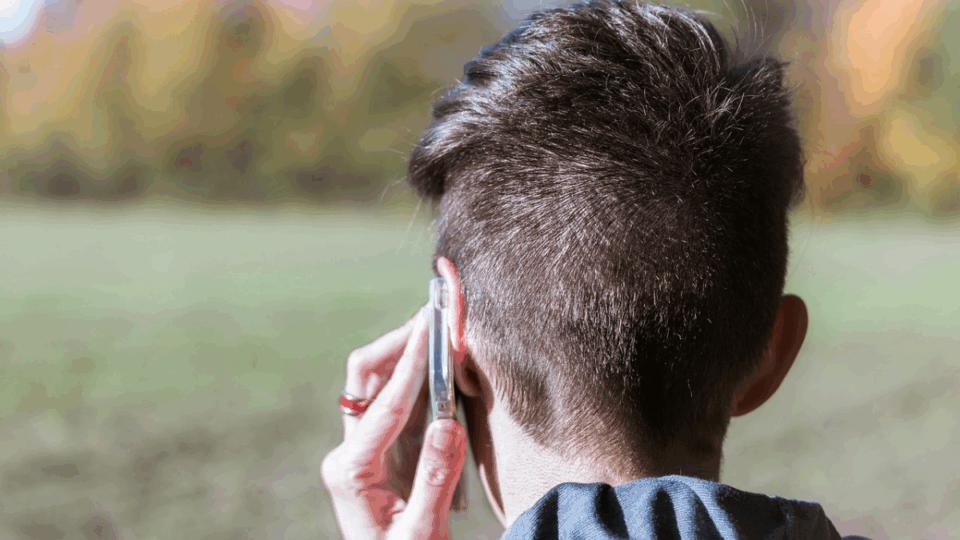
- بیریومنٹ سپورٹ ہیلپ لائن: Talk freely, for as long as required, with a sympathetic and understanding listener. Our helpline advisers understand how hard it can be to talk about what you are going through and are patient and empathetic.
- Befrienders: Our team of befrienders are bereaved family members, such as bereaved siblings, who offer bereavement support. Sometimes speaking to someone who has been through something similar can be a comfort. Our befrienders offer support via email or telephone and can stay in contact for as long as you both agree to.