

Alcohol and grief
When a baby or young child dies, it is especially devastating and is often described as the most painful experience anyone can go through. Grief is a deeply personal experience. It has no set time limit and there is no right or wrong way to go through it. You may find yourself crying one minute and laughing the next. These feelings can seem strange, but they are all part of your unique grieving process.
You may find that there are moments where all you want is for your thoughts and pain to stop, or to be numbed. Some families tell us that alcohol became part of how they coped in the days, weeks, months or years after their baby or young child died and found themselves drinking more than they expected after their baby’s death.
Alcohol may seem to ease your pain in the moment, but in the longer term it will only postpone the grieving process and may leave you feeling depressed, anxious or disconnected from those who love and care for you. Over time, heavy drinking can harm your health and strain your relationships at home, at work and with loved ones.
If alcohol has become part of how you cope with your grief, please know that there is help out there.
Our aim is not to tell you what you “should” do, but to help you recognise how alcohol might be affecting you, give advice on what to look out for and offer alternative ways to support yourself through grief.
-

In 2013, I lost my baby boy Rocco to SIDS. Even now, over a decade later, I still struggle to put that pain into words. The future I imagined disappeared overnight, and I was left carrying a weight I didn’t know how to hold. I started drinking more and more. Quietly, often alone, sometimes to sleep, sometimes just to numb the pain.
Matt Pink
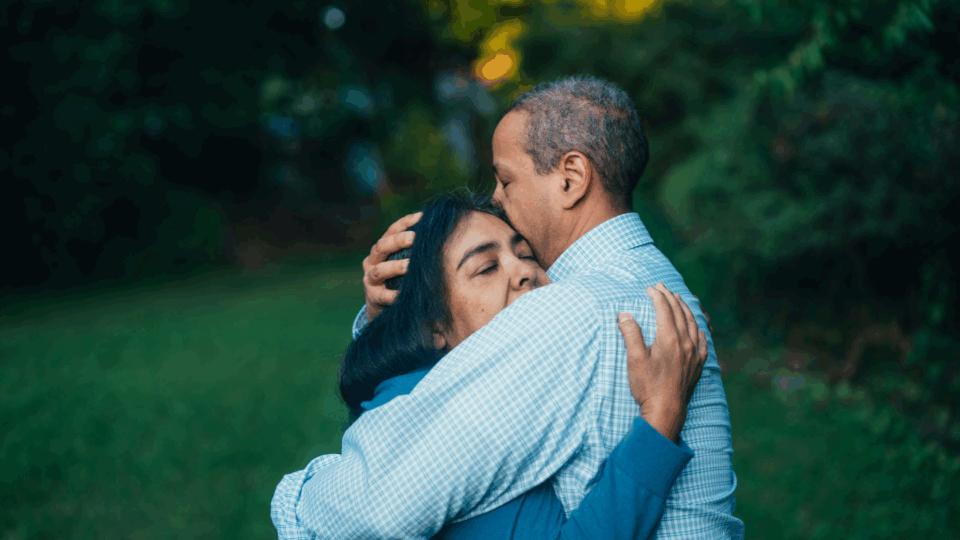
Signs you may be drinking more than you realise
Everyone’s grief is different. You may see yourself in some of these, or just one. Whatever feels familiar, know there is no blame – it simply means alcohol may be affecting you more than you realised.
‘’I didn’t talk about how I felt. I didn’t ask for help. I told myself that drinking alcohol was helping me cope, but really, it was keeping me stuck. I certainly didn’t know that grief and alcohol dependency were so closely connected. No one told me that what I was going through was normal but that it could easily become a problem. Eventually, the drinking took over my entire life: my home, my marriage, my sense of self.’’ – Matt
You may be drinking more than you realise if:
- You feel like you need a drink, just to start or get through the day.
- You are hiding how much you are drinking from your loved ones.
- You wake feeling anxious, flat, ashamed or guilty after drinking.
- You are unable to stop drinking once you have started, a single alcoholic drink does not feel like enough to dull the pain.
- You find you cancel plans or avoid people because you are hungover or are planning on drinking alone instead.
- You are unable to remember what happened the day or night before because of drinking.
- You find yourself often drinking alone or earlier in the day than usual.
- You have injured yourself or someone else because of your drinking.
- You decide to try to cut back but find yourself drinking again soon after.
- You or your loved ones have concerns about your drinking.
- You are regularly drinking more than 14 units of alcohol a week.
Recuerde
Even if you recognise yourself in any of these, it does not define you or your grief. You are doing your best in unimaginable circumstances. But there are other ways to be supported, and we hope the guidance below offers a place to start.

What might help instead
Grief can feel overwhelming, and it’s understandable to want to reach for anything that seems to dull the pain. While alcohol may bring temporary relief, there are better ways of finding the support you need.
These ideas have helped other bereaved parents; they may help you too.
- Surround yourself with those you love and who care for you and try to be kind to yourself.
- Take time to understand your body’s responses to grief.
- Move your body gently, try to take a short walk or complete a routine of simple stretches everyday.
- Try talking about your grief with someone you trust or contact our support team.
- Use deep breathing or grounding exercises to help lower your stress hormones and calm your nervous system.
- Contact our bereavement helpline. Talk freely, for as long as required, with a sympathetic and understanding listener.
- Write your feelings down, this could be a note to your baby, a journal entry, or just a page of your scattered thoughts.
- Connect with others who understand by joining a support group or talking to one of our befrienders.
- Remember your baby: create a memory box, a small ritual or a place of significance to visit to remember your baby.
- Laugh when you can, it doesn’t mean you love or miss your baby or child any less.
- Accept offers of help and ask for it if you need it. Let your support network cook, clean, or simply sit with you. You don’t have to do this alone. If they are unsure of how to help, here is some advice.
- When you’re ready, talk about your baby. Say their name, share memories and photos/videos, and invite your loved ones to do the same.
Don’t struggle alone
You do not have to face this alone. Many families find it hard to notice when drinking has become something they can’t easily control. Struggling to cut back doesn’t mean you’ve failed - it means the weight you’re carrying is too heavy to manage alone. You may find comfort in speaking to communities, organisations or services who can offer specialist alcohol support.
Where to find specialist support
The type of support that feels right will depend on where you are on your journey and what support you need. Some people might start with their GP for medical advice, while others prefer private online tools, or the connection of a group or community. There is no right way, what matters is finding the support that feels manageable for you.
The services below are free and confidential, and you can use them in whatever way feels best for you:
- Your GP – Offers assessments, free medical advice and can connect you with local treatment or counselling services if needed.
- Alcohol Change UK – Offers information, practical tools and compassionate guidance for anyone worried about their drinking.
- Drinkaware – Offers self-assessment tools and practical tips to help you understand your drinking habits and find ways to cut back if you want to.
- With You – Offers free confidential support with alcohol, drugs and mental health. Services are available across England and Scotland, and you can self-refer online:
- SMART Recovery UK – Offers group meetings that focus on self-management and practical strategies to cope with addictive behaviours, online or in your local area.
- Alcoholics Anonymous (AA) – Offers a community of people who share their experiences and support each other through regular meetings, both online and in person.
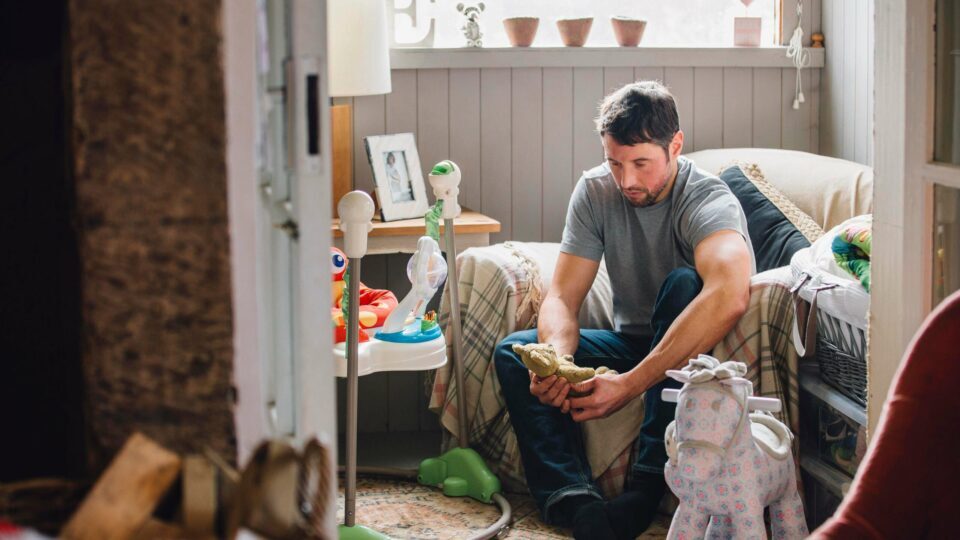
We’re with you in grief
If you need someone to speak to, you can always talk to someone at The Lullaby Trust, where we have a helpline especially for bereaved parents and family members. We understand that there is no one size fits all, to support. Needs can change over time and can feel very different from one day to the next. We don’t put a time limit on support or have any expectations of which support will work best for you. We aim to support you in a way which feels meaningful and helpful to you.
Email us at [email protected] or call us on: 0808 802 6868.
Our helpline is open weekdays 10am-2pm; weekends and public holidays 6pm-10pm
If you need immediate help
If you are finding it hard to imagine carrying on with life, have suicidal thoughts or are thinking about harming yourself, it is important that you tell someone about the way you feel. If you are struggling right now or feel you need urgent mental health support, please know you are not alone and there are people ready to help.
- The Samaritans are available day and night on 116 123, if you ever need someone to speak to.
- You can also call NHS 111 and choose the mental health option for 24/7 crisis support in England.
- If you or someone you know is in immediate danger, please call 999 immediately.
-
In 2020, I decided to stop drinking. That decision changed everything and led me here, to this message, to you. To work alongside the charity that helped me so much and to be there for other bereaved parents. To turn the worst thing that ever happened to me into a lifeline for others. If that’s you, please know – there is help available and it’s never too late to choose a different path.
This page was created with the support of bereaved dad, Matt Pink, who shared his experiences with us in the hope that it helps others who find themselves in a similar situation.