
Annie’s story
Annie lives in London with her partner, and five-month-old son, Louis. She spoke to us about her experience of motherhood, and setting boundaries with loved ones to prevent infection. Pseudonyms used.
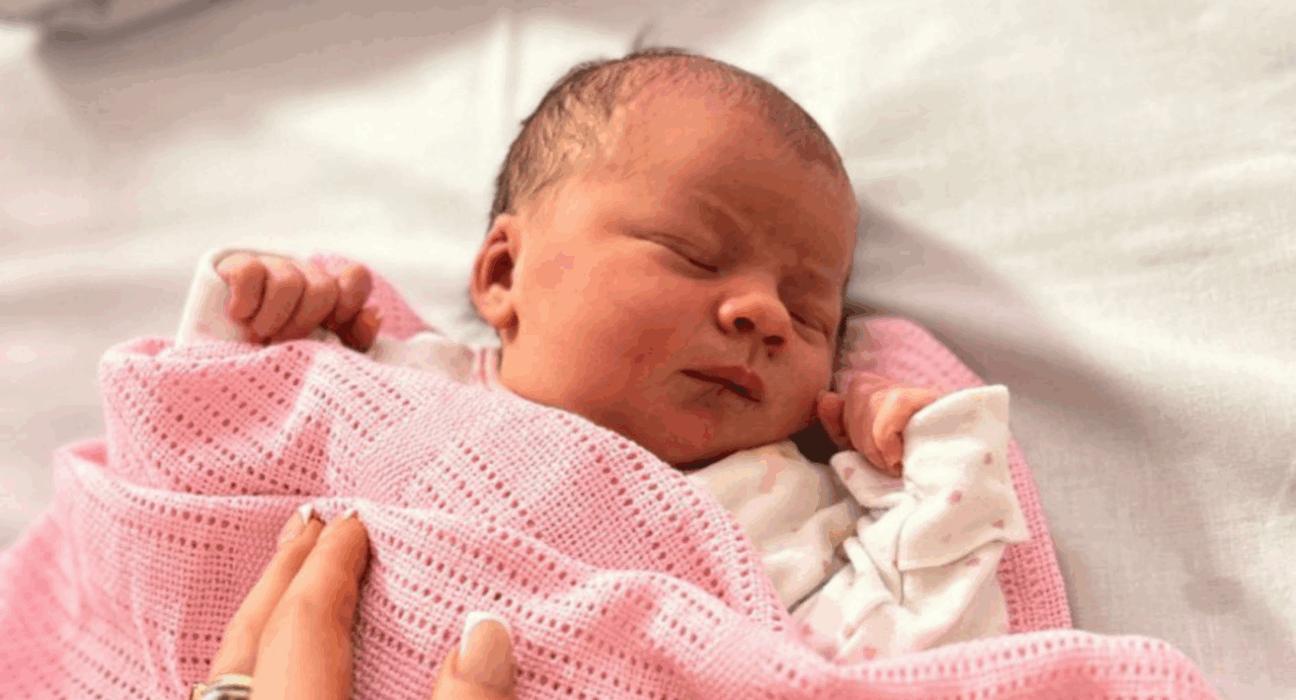
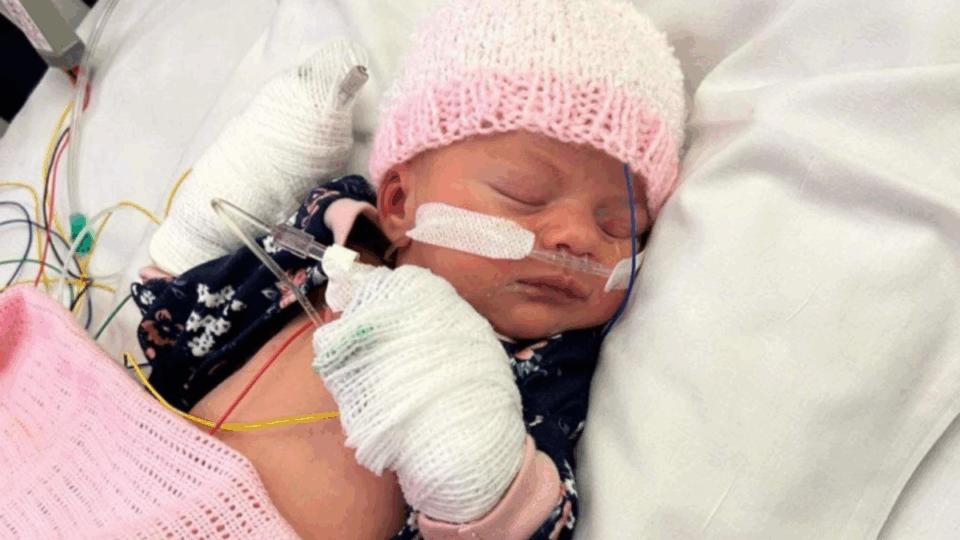
Violet was born after a straightforward pregnancy, though her arrival was via emergency c-section. We brought her home and spent those early days adjusting to life as new parents. She was sweet, pulling funny faces, but she was also sleepy. She wasn’t opening her eyes much at all, and we had to wake her for feeds. As first-time parents, we didn’t know what was normal.
At our day three home visit, the health visitor flagged that she looked quite yellow so we went to hospital for a jaundice check. Here, we told staff that she was very sleepy and we had to wake her for feeds. They weren’t worried about her and as her jaundice test was within normal limits, they sent us home.
Back home, Violet continued being sleepy. Meanwhile, I’d become quite unwell and confused and my mum pushed me to get help. On day eight of having Violet home, I was admitted to hospital as I’d developed sepsis from the c-section.
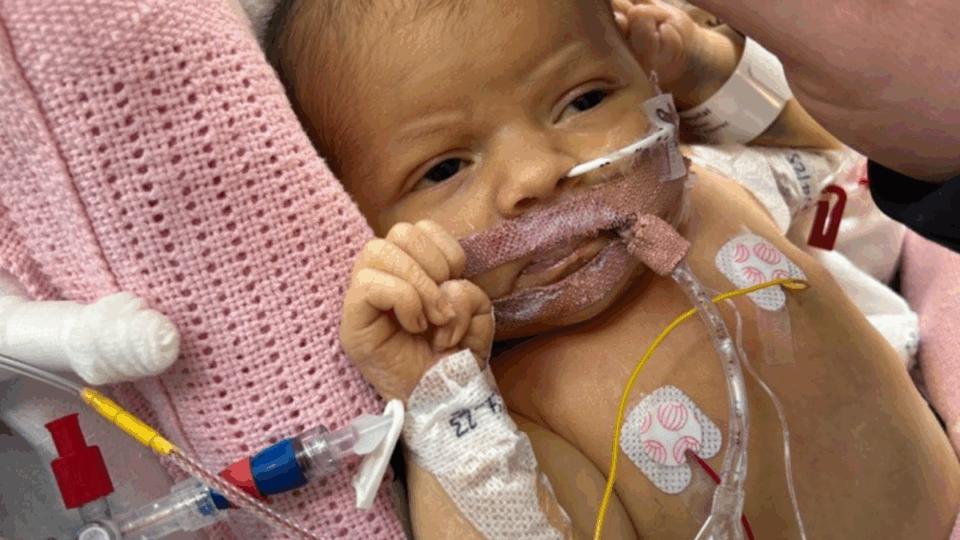
At the same time, a nurse holding Violet became concerned with how warm Violet felt. She took her temperature and she was admitted into hospital on the same evening as me. Violet was eventually diagnosed with having contracted the herpes virus infection (HSV-1).
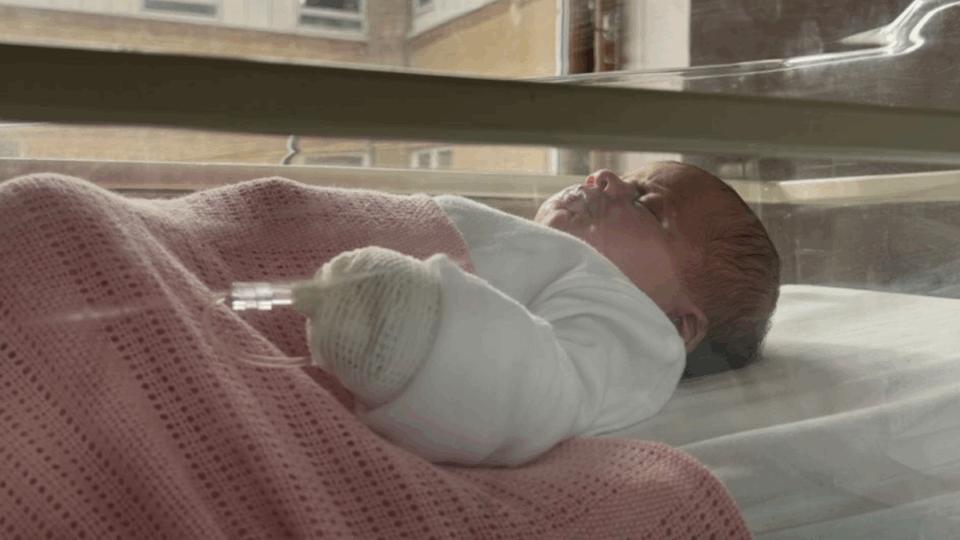
Violet spent time in intensive care units in three different hospitals. I didn’t leave her side once. She died when she was 29 days old.
We grieve in our own ways. Dimitri was emotional and I shut myself down. We received support from the hospital in the early weeks and days, but that support faded with time. Dimitri found going to the gym helpful, which we both continue now.
Nobody had told us about the herpes virus or infection risks in general with newborns. We never let anyone kiss Violet, so we’ll never know where she contracted the virus. Even when we went onto have Lily, infection prevention has only been mentioned because of our experience with Violet.
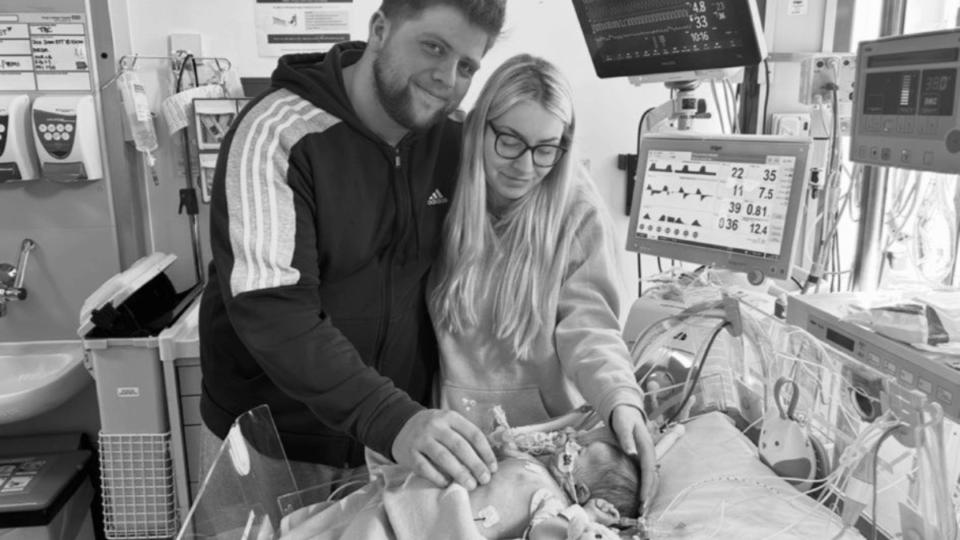
From the moment we found out I was pregnant with Lily, we were terrified. It was what we wanted, but we were so scared and anxious. We limited contact for the first six weeks, with strict rules around no kissing and handwashing. We also did other things to give ourselves peace of mind, like putting muslin cloths across those holding her so there was no skin-on-skin contact.
When Lily was a week old, she developed an eye infection and a slight temperature. We rushed to hospital and went straight to the paediatric ward. I was in a real state. Through tears, I said “I don’t know what’s wrong with her, I’ve lost my baby before, please help her.”
If my local area took on The Lullaby Trust’s Care of Next Infant programme, I would’ve had a health passport for Lily that explained our family’s situation. This would’ve saved us a lot of panic, and being in such a state in front of the waiting room.
Lily is nearly a year old now. The trauma of losing Violet will never go, but to be on the other side with Lily, we can see the light. Her funny little laugh always makes us smile.
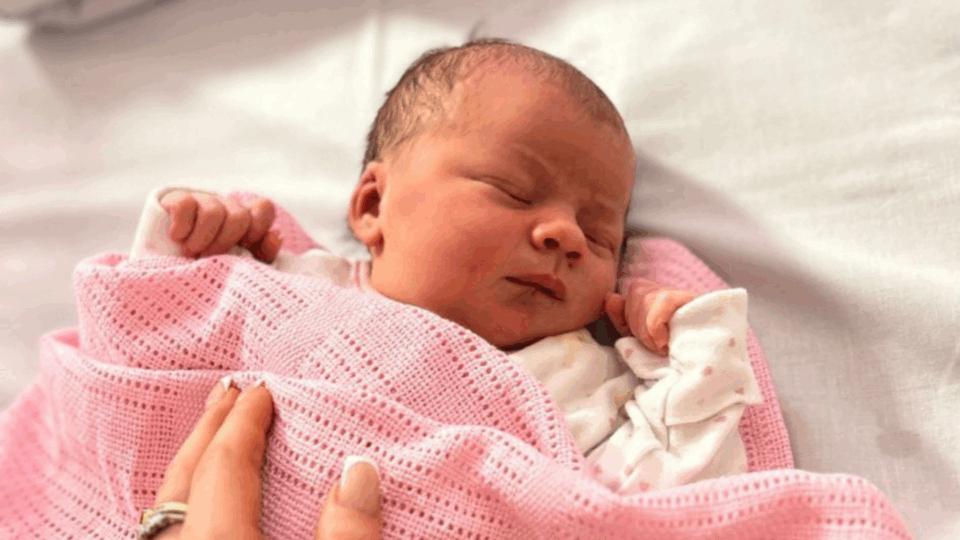
We remember her in lots of ways. On her birthday we release balloons with family. Her handprints, footprints and photos are all around our home. Lily will grow up knowing all about her big sister.
I have a message to those who might be struggling to come to terms with a parent’s wishes for you not to kiss their baby or hold their baby without washing their hands. If you witnessed what happened to Violet, I truly believe you wouldn’t question kissing a newborn baby, not washing your hands or visiting whilst unwell. I often wonder if the baby became unwell, how someone would cope with themselves, knowing that they went against the parents wishes and put the baby in danger.
To parents and carers, it’s simple: be confident to say no. Whether that’s to visitors, to people who want to cuddle your baby or to anyone feeling unwell. It’s your baby’s life. Trust your instincts and keep pushing if something doesn’t feel right.
Annie lives in London with her partner, and five-month-old son, Louis. She spoke to us about her experience of motherhood, and setting boundaries with loved ones to prevent infection. Pseudonyms used.

Babies are more vulnerable to infections than older children, especially in their first few weeks. Here you will find the signs and symptoms to look out for that your baby might be unwell.

Having a sense of a continued connection with a baby or young child who died is an important part of navigating grief. This page offers ideas for ways to remember and honour a little one.

If you would like the opportunity to talk freely, for as long as required, with a sympathetic and understanding listener, please contact us via our bereavement helpline or send an email.
Donate today and your kindness will empower families with trusted and life-saving baby safety advice, as well as providing a supportive space for anyone who has experienced the the sudden or unexpected death of a baby or infant.