
Harvey’s story
Karen's first-born, Harvey, died of meningitis which went undetected despite three hospital visits. She wants his story to be his legacy.
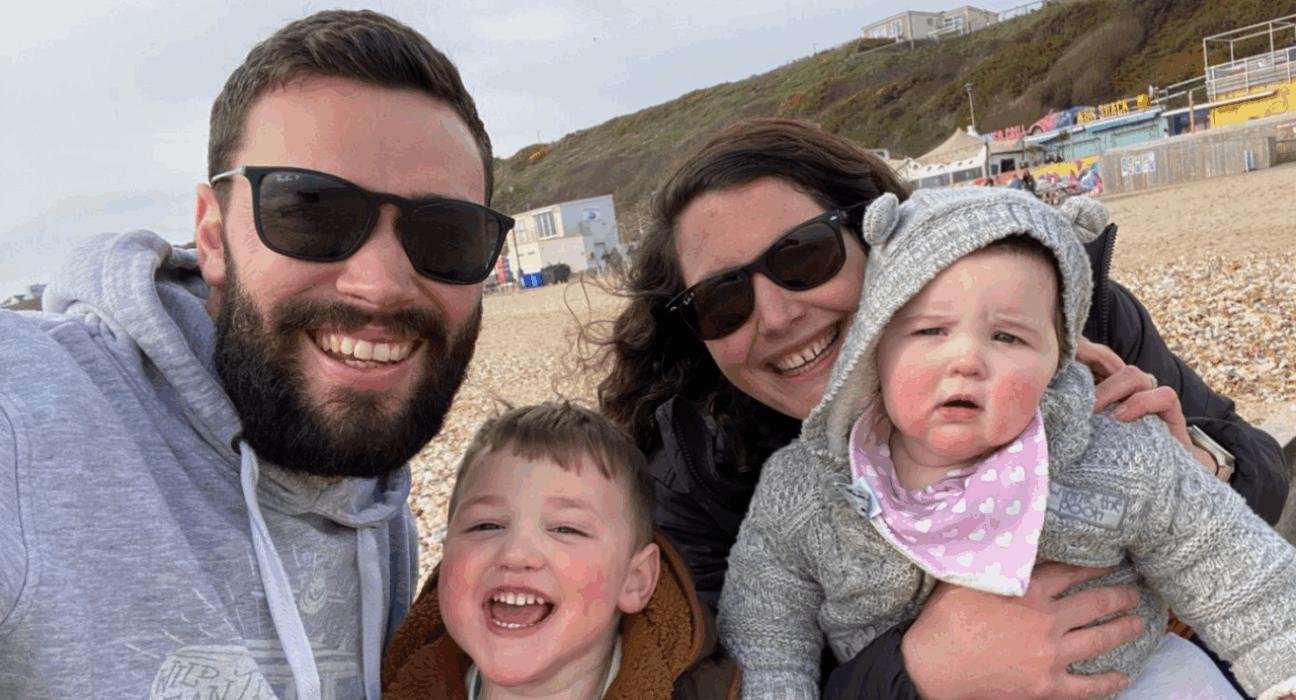
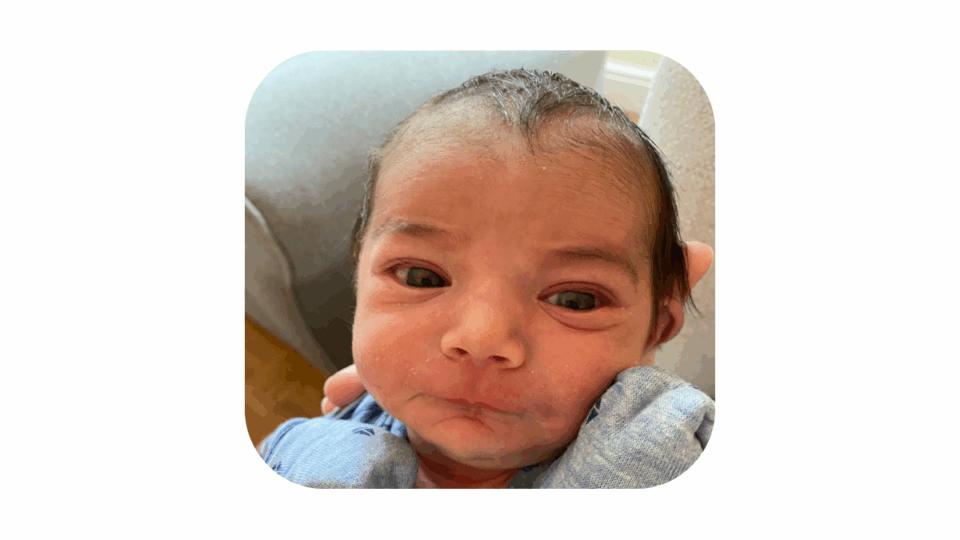
Before Joshua was born, we had a miscarriage with twins and it was just before we went into lockdown. It was hard, but we were pregnant quite quickly again with Joshua. The pregnancy was very straightforward and on the day he was due to be induced, I began with contractions.
We drove to hospital and learnt that my mum had a really severe stroke the night before. We were thinking about her the whole time. When Joshua finally arrived, it was just incredible. The first thing we heard was, “Wow, look at his hair!” from the midwives. We stayed another night as he hadn’t had a wee, and had a bit of jaundice. Then we took him home.
Because of mum being unwell, we very much decided to make the most of every minute because it’s what she’d want.
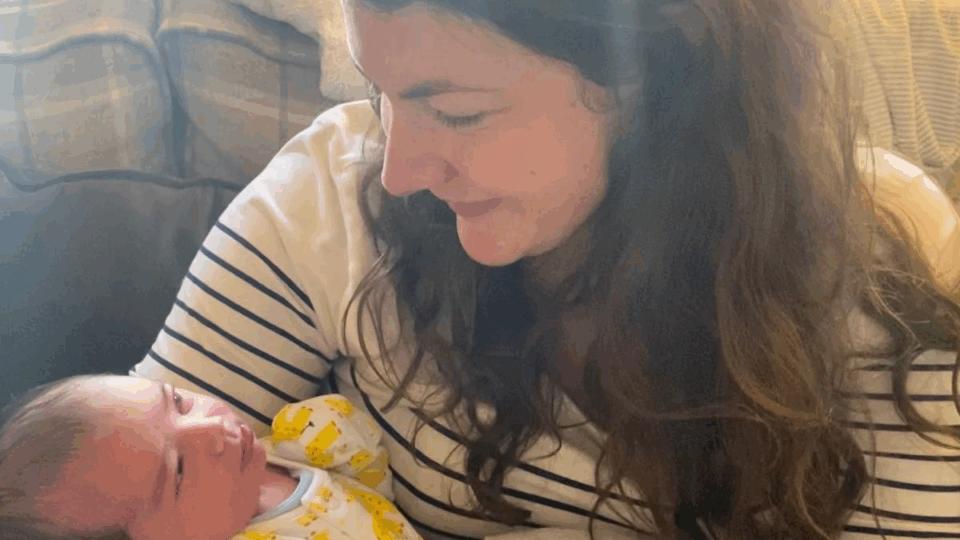
Joshua wasn’t always waking for a feed, and would often only feed when absolutely wide awake. On his fifth day home, at an appointment with a midwife, I asked about his raspy breaths and had taken a video of the sound. We were told both of these things were normal, which we know they can be.
On his sixth day at home, there was still something concerning us so we called the midwife line to say he’s struggling with feeding. I remember at one point that week, looking down at him in my arms and thinking, ‘Nothing worse can happen after what’s happening with mum. Babies don’t just die’. It was clearly my gut telling me something wasn’t right. The midwife told us to come in the following day, which we did. She told us to keep topping up with formula and later that day it felt like he was more awake and responding better.
The day after this we decided to take his temperature at home after Callum noticed Joshua felt cool, and it read that he was 34 degrees, and one thermometer wasn’t registering his temperature at all. At this point, we called 111 who we had a poor experience with, but also managed to get through to the post-natal ward who told us to come into the hospital straight away.
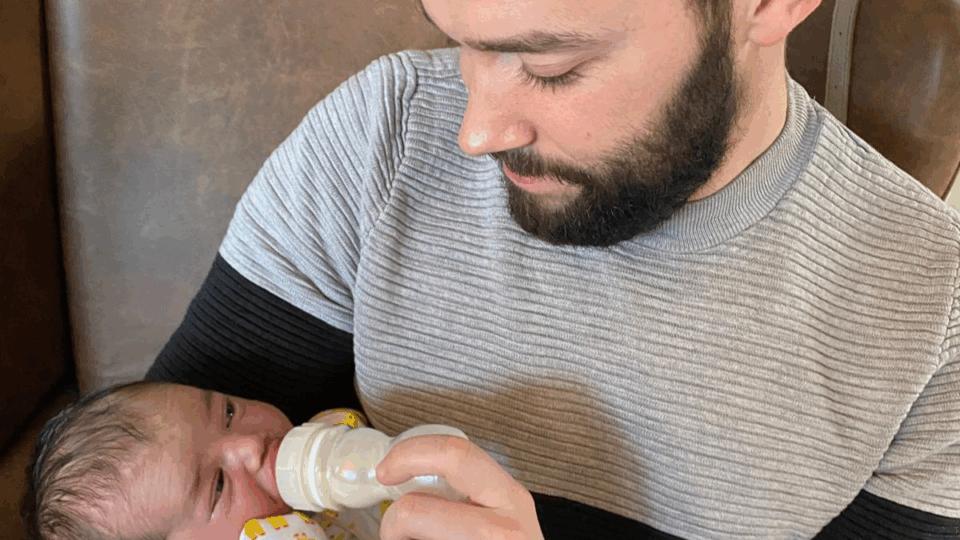
I have blocked some things from my mind. We waited outside the labour ward for a while as they were so busy (it was during COVID). When we were invited in, their equipment wasn’t picking up his temperature either. At that point, we know something was very wrong.
A pediatrician took us into a side room and told us Joshua was very poorly. He was taken to neonatal care. Our whole world came crashing down as we stood by his little incubator. Eventually we learnt that he had herpes simplex virus (HSV), and had developed sepsis. They began transferring him to a more specialist hospital.
The team at hospital were so kind, and very honest about the fact that he might not make the transfer. When he did, we were given a room next to his ward and we tried to get some rest. A few hours later, we went to sit with him.
A while later, the consultants sat us down and told us Joshua wasn’t going to make it, and his machines needed to be turned off. We said goodbye to our perfect first-born at eight days old.
Just one day after anyone realised just how poorly he was, we left hospital with his little memory box.
My mum amazingly survived, and she’s still with us. But whilst I was grieving, I didn’t have her as she was in hospital for months. We got Lachie, our dog, a couple of months after we lost Joshua and she was our savior with a lot of love to give.
We never blamed anyone, as we felt there was nothing that could’ve been done. For him to survive, it would’ve had to have been caught on day one or two.
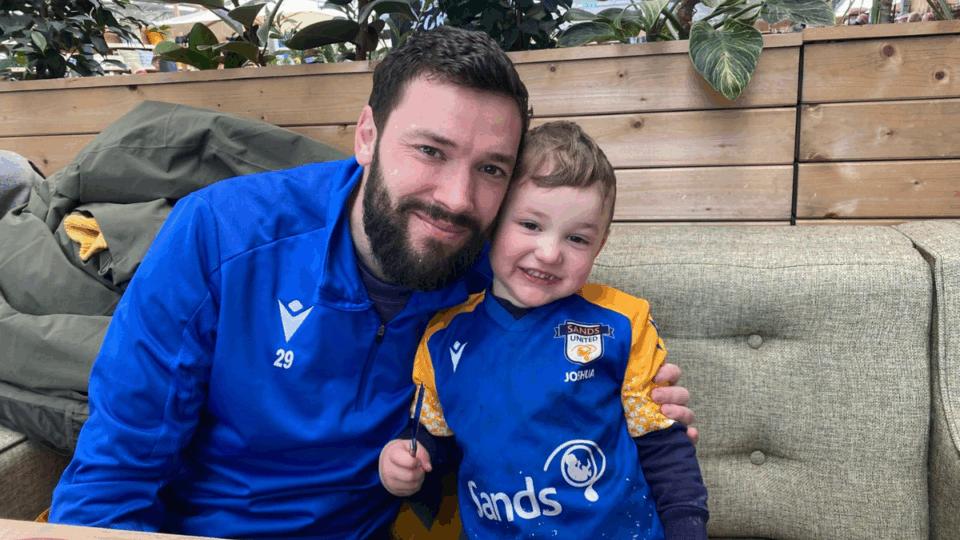
Rory was born a year after we had Joshua, and his newborn stage was a huge struggle for us. We ended up in hospital so often when he was a newborn, worrying about his temperature. But our bereavement midwife, Laura, was there for us at every moment we needed her. As Rory got older, and when we went onto have Poppy too, we’ve learnt to rationalise together, by sharing our concerns.
I want parents and carers to know; trust your gut instincts. Escalate as much as you can if you are worried. I also want parents to know that low temperature is also a sign that your baby might be unwell, not just high temperature.
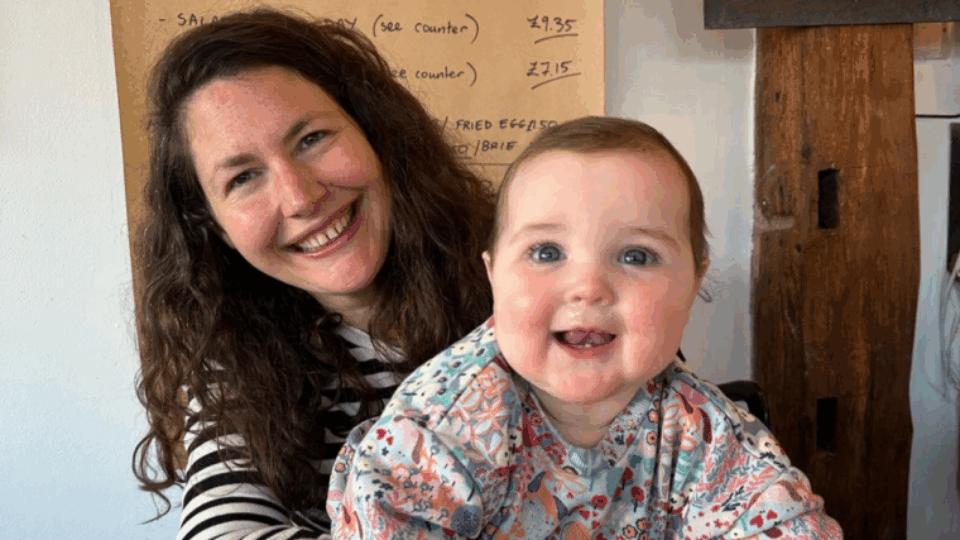
We tell Joshua’s story because someone might read it and get their baby checked in time.
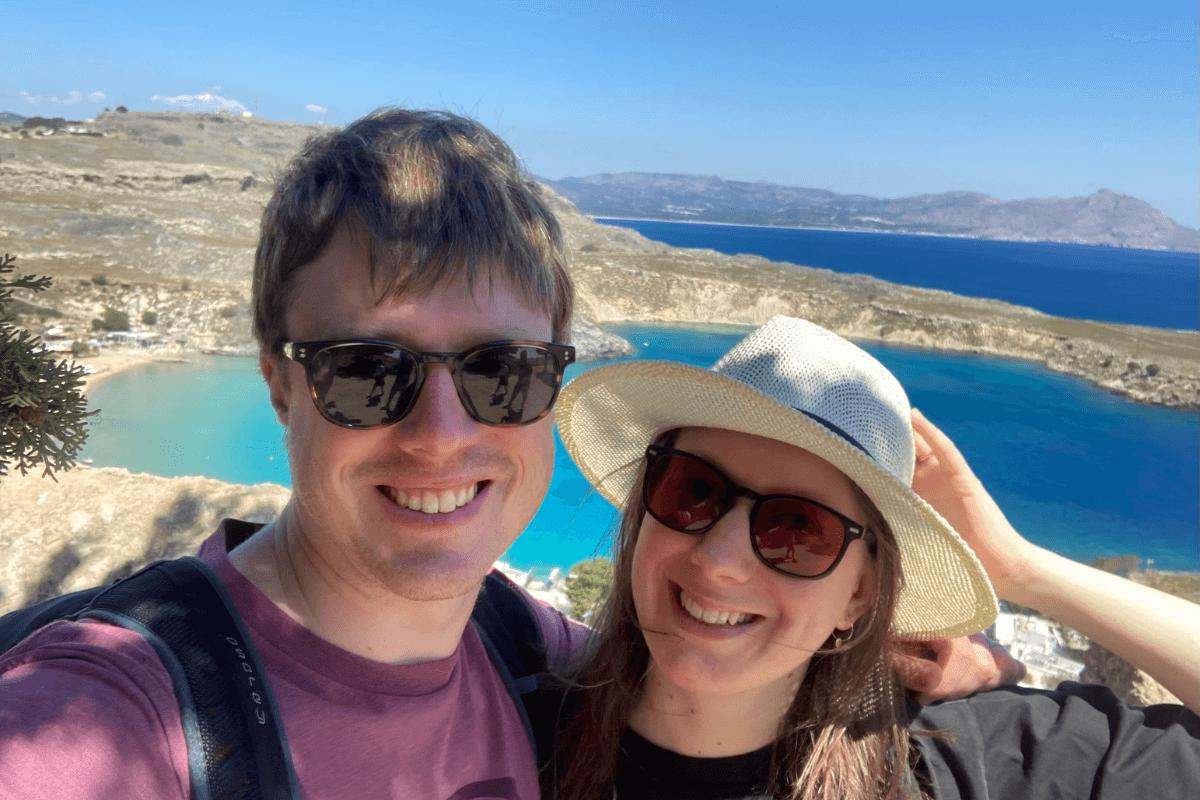
Matt and Laura live in Somerset with their one-year-old, Sam. We spoke with Matt and Laura about their experience after Sam was born.
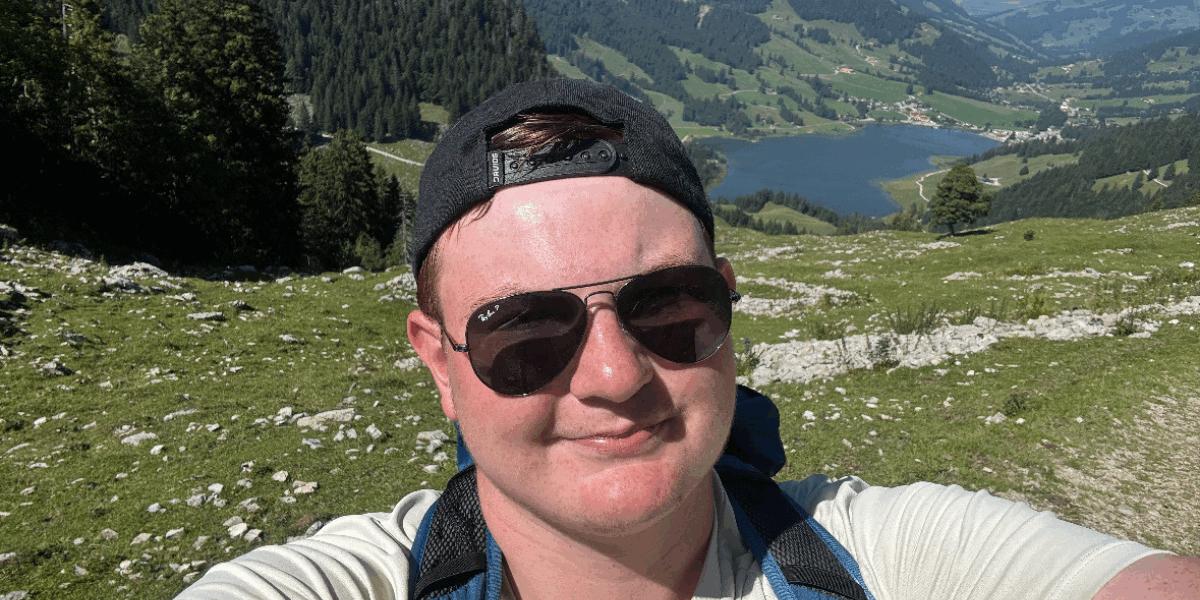
Matt is taking on Everest Base Camp to fundraise for The Lullaby Trust, and help other parents access lifesaving advice on preventing infection in babies.
Karen's first-born, Harvey, died of meningitis which went undetected despite three hospital visits. She wants his story to be his legacy.

Babies are more vulnerable to infections than older children, especially in their first few weeks. Here you will find the signs and symptoms to look out for that your baby might be unwell.

Our Baby Check app gives you peace of mind, in your pocket. If your baby is under six months of age, you can use the Baby Check app to find out if they need to see a health professional.
By donating today, you can help us support families like Beth and Callum's through their darkest days.