
Health professionals want to hear from you
Whether it’s your first phone call or your fifth, your parental instincts matter and seeking help early for your baby can make all the difference.
Here, we support you with practical tips, phrases and reassurance to help you feel confident in having those conversations.
Use the ബേബി ചെക്ക് ആപ്പ് as your guide
The ബേബി ചെക്ക് ആപ്പ് by The Lullaby Trust is a free app that helps you assess your baby’s symptoms, step-by-step. The app is designed for babies under six months, asks you 17 simple questions and gives you advice on whether you need to speak to a health professional or not.
The app can be a great conversation starter with health professionals. At the end of the questions, you’ll be able to review the answers you gave and discuss them with the professionals caring for your baby.
I’ve been using the Baby Check app from The Lullaby Trust to keep track of my baby’s symptoms, so I know what is normal for them and what is unusual. But I'm a bit concerned about my baby’s recent result, can we go through it together?
I have used the Baby Check app from The Lullaby Trust, and it flagged a few things I wasn’t sure of so I wanted to talk with you about it.
I’ve just used the Baby Check app from The Lullaby Trust and it says I should call 111, which is why I’m calling. What should I do next?
-
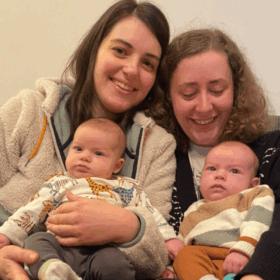
What parents say about the Baby Check app
As soon as I saw the Baby Check app advertised, I downloaded it immediately! It was so useful, because when it came to signs of illness and infection, I didn’t know what on earth to look out for. These were our first children, so I felt very uneducated. I did some baby first aid classes but in the moment, with a sick baby in front of you, it’s so different.
Izzy -

What professionals say about the Baby Check app
I'm a midwife. A baby died who I was caring for from an infection, and ever since, I have told all my clients about The Lullaby Trust's Baby Check app. This will save so many lives and give reassurance to parents. Thank you.
Shezza, midwife -

What parents say about the Baby Check app
When Jamie was born after Adam’s death, I was so worried. With every sniffle, I felt he was going to die so we were constantly at the doctor. The Baby Check app can save parents a lot of heartache on when they ought to see a doctor, go to the hospital or deal with the problem at home. It also gives the parent that authority to go back to a health professional if they’re worried.
Judi

Overcoming fears about being a nuisance
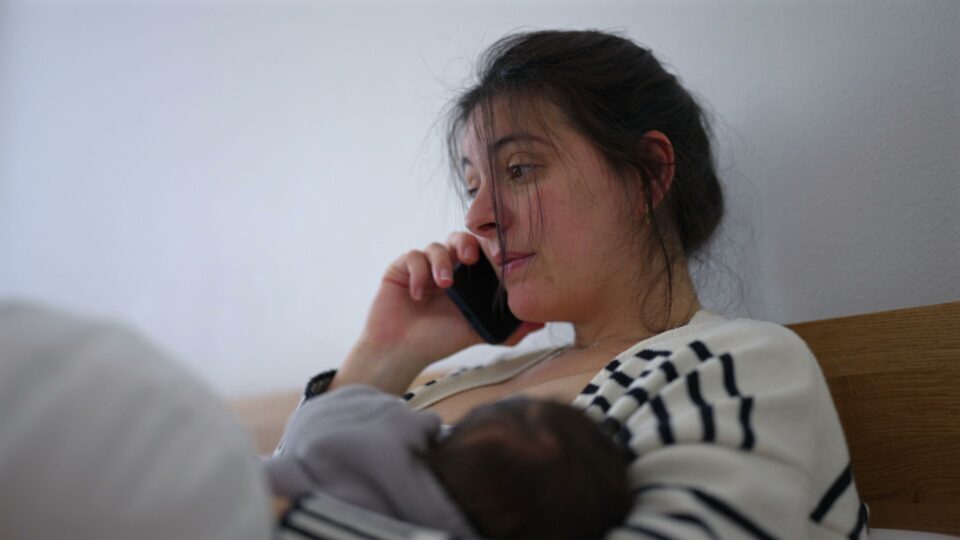
It’s normal to feel worried about taking up someone’s time, especially if you have already sought help. But at The Lullaby Trust, health professionals regularly tell us that they want parents to speak up. They would much rather you call or visit again, and again, than wait and risk your baby becoming more unwell. Remember:
If you feel as though you’re not being taken seriously
Sometimes parents and carers tell us that they left an appointment feeling unheard or dismissed. This can be upsetting. Remember that you know your baby best, and you’re entitled to keep asking for help or asking for a second opinion from a different health professional until you feel reassured.
Here are some things you can say if you don’t feel as though you’re being taken seriously:
I have an instinct that something is wrong that I can’t shake. I’d feel more comfortable if we could rule out anything serious – can we do that today?
I completed the Baby Check app by The Lullaby Trust, and it told me I should seek help from a health professional. This is why I’d like to go through my concerns, and the results on the app with you.
I know it might not look concerning right now, but I’ve noticed a big change in my baby. Can we talk through it in more detail, and could you help me understand it?
I feel as though you’re dismissing my concerns and I’m still just as worried about my baby. Are there any extra tests we can do to rule things out?
What you can do if you don’t feel as though you’re being taken seriously:
-

What parents and carers think
It's always better to get your baby checked than to wait. The consequences of not getting your baby checked are too much to worry about bothering people. If you’re worried, it’s for a reason, and any health professional would rather you call than sit at home worried.
Laura -
What parents and carers think
I want parents and carers to know; trust your gut instincts. Escalate as much as you can if you are worried.
Beth -

What parents and carers think
I agree with the motto ‘never a nuisance’. Never feel like you’re a burden or that you’re making a fuss if you have a concern about your baby. It’s easier to check a baby and rule out anything serious, than to treat a baby that should’ve been seen earlier and has developed a more serious illness.
Annie
When you need further reassurance
Sometimes a health professional’s answer might not put your mind at ease, or you might not understand why they are not as concerned as you are. Asking for more information and reassurance is key to help you understand your baby’s health and the next steps more clearly. You could say:
Could you explain that to me in more detail? I want to make sure I understand and know what to look for at home, so I know when to come back or what action I should take.
I’m still a little worried. Would you explain what signs and symptoms I should look out for and when I should call again?
Could you explain why you’re not concerned about my baby’s symptoms?
Would you explain what’s normal and what’s not for a baby at this age?

If you’re still struggling to ask for help
Even when you know it’s the right thing to do, you can still worry about wasting time, repeating yourself or being seen to ‘overreact’. These feelings are very common, but they shouldn’t stop you from speaking up. Remember: your baby can’t tell anyone how they feel, so you are their voice.
- Lean on the advice: If the ബേബി ചെക്ക് ആപ്പ് encouraged you to seek help, explain that. Or if you read the symptoms of infection on The Lullaby Trust’s website or other symptoms from another reliable health source, explain how you feel this aligns with your baby’s symptoms.
- Write it down: Jotting down notes, phrases or exactly what you want to say or reading it aloud before your appointment can help you feel clear and confident.
- Remind yourself that this is about your baby: You’re speaking up for your baby, who can’t speak for themselves.
- Bring someone else to your appointment: Share your concerns with someone you trust, and ask them to attend the appointment with you. They can echo your concerns and be there for support.
Frequently asked questions
-
Remember
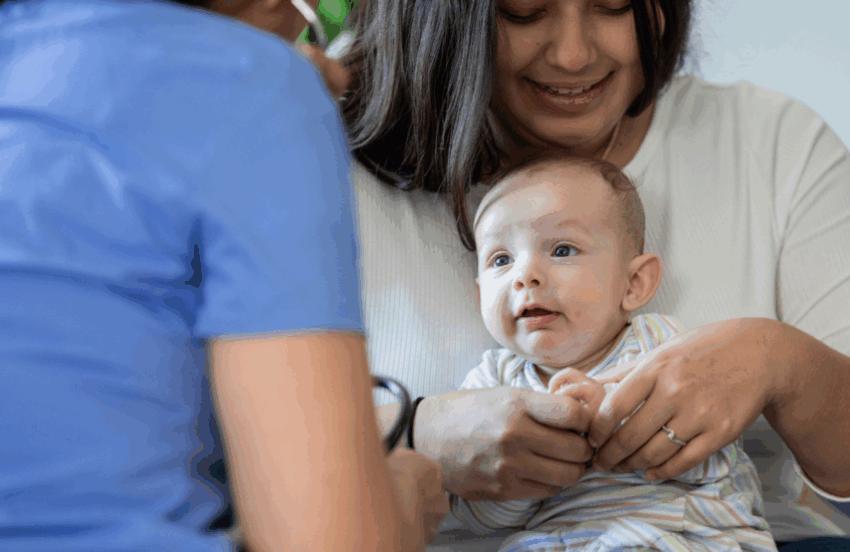
You can never call or visit too many times, because when it comes to your baby’s health, you are never a nuisance. Tools like the Baby Check app can give you crucial advice, but also the confidence to have conversations with health professionals. Your parental instincts matter and seeking help early can make all the difference. You are your baby’s voice – never hesitate to use it.
Every baby safe. Every family supported.
If you found this information helpful, consider donating today to help us reach and help the next parent or carer, just like you. Your kindness will: